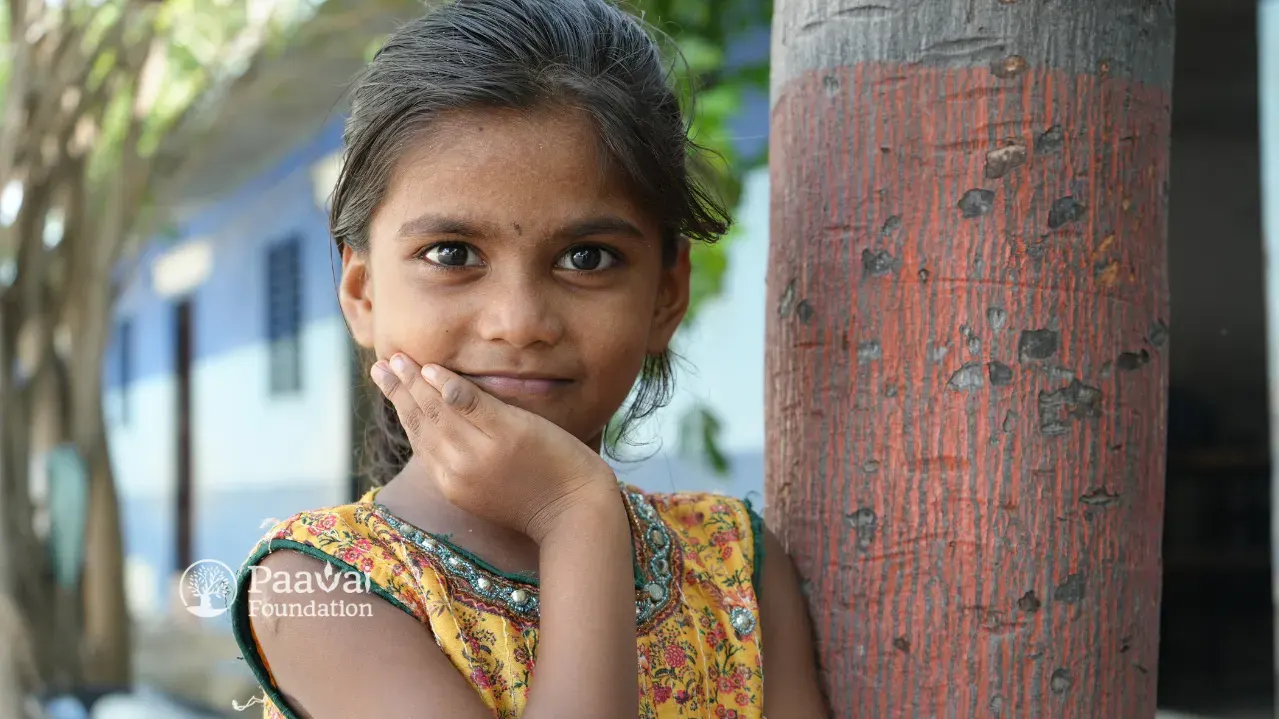
Ask a group of girls what "brave" means and you'll get wonderful answers. Climbing the tallest tree. Singing in front of the whole school. Telling the teacher when something isn't fair. Trying the hard maths problem first.
None of those answers involve being fearless. Each one is about a girl who felt a little nervous and did the thing anyway, because she knew she could.
That is the heart of raising brave girls. Courage isn't a personality type that some children are born with and others aren't. It's built, practised and strengthened, the same way a girl learns to swim or ride a bicycle. Self-defence and life skills are two of the most practical ways to build it. They give girls something more valuable than a set of techniques: a quiet, steady belief that they can handle whatever the day brings.
This article looks at what that means at the girls' home, why it matters, and how anyone can help more girls grow up strong, capable and hopeful about the world they're stepping into.
Bravery Is a Skill, and Skills Can Be Taught
Confidence often looks effortless from the outside. Inside, it rests on experience. A girl who has spoken in front of her classmates ten times finds the eleventh easier. A girl who has managed her own pocket money for a year walks into a shop with more assurance. A girl who has practised calling for help in a calm, loud voice knows that her voice works.
This is why life skills for children matter so much. The World Health Organization describes life skills as abilities that help young people deal effectively with the demands and challenges of everyday life. Its widely used framework names ten: decision-making, problem-solving, creative thinking, critical thinking, effective communication, interpersonal relationship skills, self-awareness, empathy, coping with emotions and coping with stress.
Look at that list closely and you'll notice something. Every one of those skills is a form of bravery. Making a decision takes courage. So does speaking honestly, managing a strong feeling, or standing up for a friend.
Self-defence belongs in the same family. At its best, it isn't about fighting. It's about awareness, voice, boundaries and the confidence of knowing your own strength. When self-defence and life skills are taught together, they reinforce each other, and the result is a girl who feels at home in her own body and her own decisions.
What Self-Defence Really Teaches a Girl
Many people picture self-defence as a set of kicks and blocks. Physical techniques are part of it, and girls often love that part, because it's energetic, fun and surprisingly empowering. But the most valuable lessons are the ones that happen before any technique is needed.
Awareness, without anxiety
Good self-defence training teaches girls to notice their surroundings: where the exits are, who is nearby, which places feel comfortable and which don't. The goal isn't to make girls nervous. It's the opposite. A girl who pays attention feels more in control, and a girl who feels in control moves through the world with ease.
It's the same skill a good cricketer uses to read the field, or a cyclist uses to watch the road. Paying attention is simply smart.
A strong, clear voice
One of the most powerful self-defence tools costs nothing at all: a firm, loud "No" or "Stop." Many girls are raised to be soft-spoken and polite, which are lovely qualities, but they also need permission to be loud when it matters.
Practising this in a safe, playful setting is often a turning point. The first shout is usually quiet and giggly. By the tenth, the room rings. Girls discover that their voice is strong, and that discovery carries into classrooms, friendships and, later, workplaces.
Boundaries that are respected
Self-defence teaches that every girl has the right to personal space and the right to say what feels comfortable. This connects directly to child protection, where a core lesson is that children can say no, can move away from situations that feel wrong, and can always tell a trusted adult.
When girls understand boundaries, they also learn to respect other people's. That makes them kinder friends as well as safer individuals.
Physical confidence
There's real joy in learning that your body is strong. Stretching, balance, coordination, a well-practised stance and the ability to break a simple hold all build physical self-belief. For many girls, it's the first time they've thought of their body as capable rather than delicate.
That confidence shows up everywhere: on the sports field, in posture, in how a girl walks into a room.
Knowing where help is
Brave girls know that asking for help is a strength, not a weakness. A good programme makes sure girls know the trusted adults in their lives, and the services that exist to help. In India, 112 is the single emergency number, and 1098 is the CHILDLINE number for children who need support.
Knowing help is always available is one of the most reassuring things a child can learn.
Self-Defence for Girls Is Growing Across India
The idea is gaining ground well beyond children's homes, and that's genuinely encouraging. Under Samagra Shiksha, the Government of India's integrated school education scheme, self-defence training for girls in government schools is supported through the Rani Laxmibai Atma Raksha Prashikshan component. Many state police departments also run awareness and training sessions for girls and women.
What this reflects is a broad and positive shift. Self-defence for girls is no longer seen as an unusual extra. More and more, it's treated as a normal part of growing up confident, much like learning to swim or use a computer.
Life Skills: The Everyday Side of Courage
If self-defence builds courage for unusual moments, life skills build courage for ordinary days. And ordinary days are where most of life happens.
Making decisions
Small daily choices are practice for big ones. Choosing which subject to study first, how to spend free time, or how to resolve a disagreement with a friend all build decision-making muscle. A girl who has made hundreds of small decisions is far better prepared for the large ones: which stream to choose after Class 10, which course to pursue, which career to aim for.
Communicating with confidence
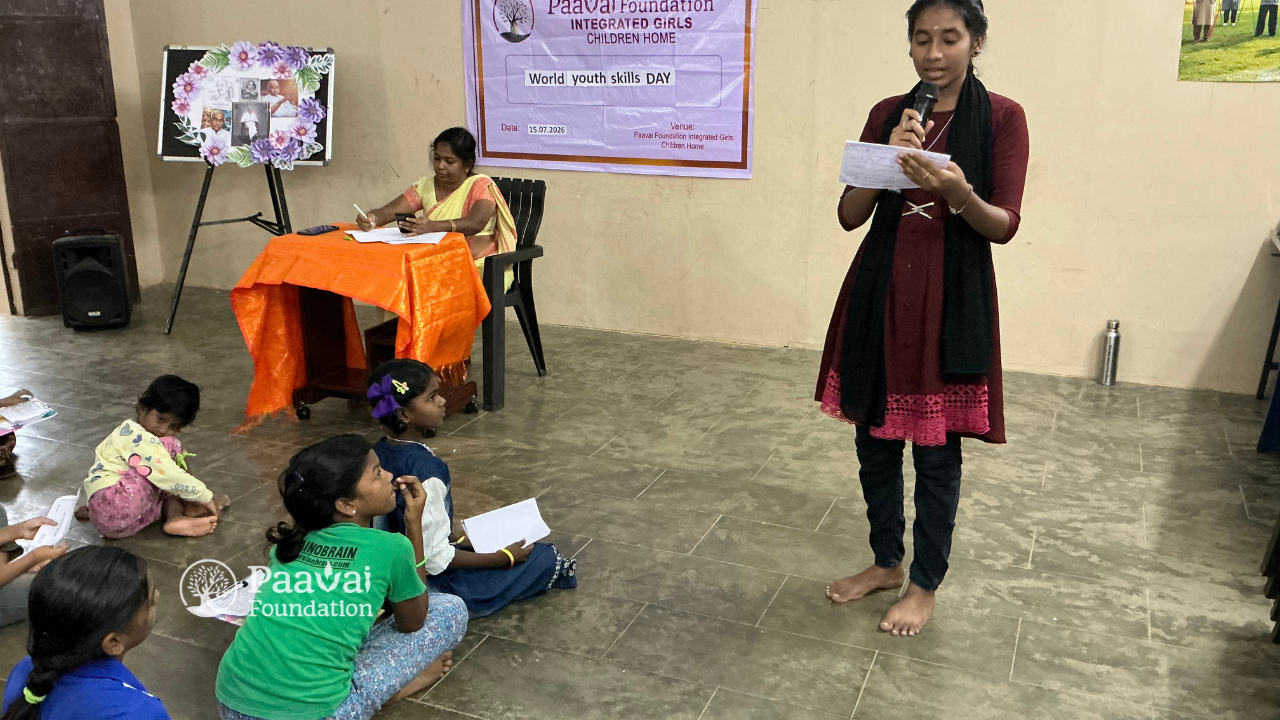
Being able to explain a problem, share an idea or disagree respectfully is a skill that opens doors. Speaking at assemblies, leading a group activity, presenting a project or simply asking a question in class all help girls find their voice.
Managing money
Understanding how to save, budget and make simple financial choices gives girls independence. Even simple lessons, like tracking a small allowance or planning purchases for an activity, plant the seeds of financial confidence.
Caring for health and well-being
Knowing how to eat well, stay active, look after personal hygiene and recognise when to seek medical help is a form of self-reliance. So is understanding one's own emotions: noticing stress, naming feelings and knowing healthy ways to calm down.
Using technology wisely
Digital skills are now part of everyday life. Girls who learn to use technology confidently, and to stay safe online by protecting personal information and recognising when something doesn't feel right, are ready for both study and work.
Practical independence
Simple tasks like organising belongings, managing a timetable, helping prepare a meal or planning a small event build a quiet competence. These skills may look modest, but they give girls the steady confidence of someone who knows how to take care of herself.
How Brave Grows at the Girls' Home
At Paavai Foundation, the commitment to girls is written into the mission itself: to empower girls into leadership and community responsibility.

Courage isn't treated as a single lesson. It grows through the whole rhythm of life at the home, supported by several connected programmes.
Safety first, so courage can follow
Bravery grows best on a foundation of security. Paavai Abhayam is built around a safe and stable environment, emotional well-being, and nurturing values, discipline and responsibility. A girl who feels safe at home has the inner steadiness to try new things outside it.
Learning that builds belief
Paavai Gurukul focuses on continuous, high-quality, future-ready education, especially for every girl in Paavai's care. Beyond classroom learning, it emphasises mentoring, digital exposure and confidence-building. Every topic a girl masters becomes evidence that she can master the next one.
Strong bodies, resilient minds
Paavai Arogya includes daily wellness practices and physical fitness alongside healthcare and emotional well-being. Physical activity is one of the most natural confidence-builders there is, and it's where the physical side of self-defence fits most comfortably.
Paavai Shishumithra adds sports and discipline, creative activities and cultural development. Sport teaches girls to compete, to lose gracefully, to win humbly and to keep trying, which are all lessons in bravery.
A voice of her own
Paavai Nayak is where courage becomes leadership. It focuses on confidence and self-belief, public voice and communication, awareness of rights and responsibilities, decision-making and independent thinking. These are exactly the qualities that self-defence and life skills set out to build. You can read more about the approach in Paavai Nayak: Empowering Confident Voices and Future Leaders.
Together, these programmes form a simple progression: a girl feels safe, then learns, then grows strong, then finds her voice. Each stage gives her more courage for the next. For a closer look at daily life and growth in the home, see Inside the Girls' Home: Growing Up With Confidence and Courage.
Teaching Courage Without Teaching Fear
There's an important balance in raising brave girls. Some safety messages, however well-meant, can leave children feeling that the world is a frightening place full of danger. That isn't true, and it isn't helpful.
The world girls are growing into is full of teachers who want them to succeed, friends who'll stand beside them, mentors who'll open doors, and communities that are increasingly committed to girls' education and leadership. More girls in India are completing school, entering higher education and building careers than ever before. Girls today are scientists, athletes, entrepreneurs, engineers and leaders, and the next generation will go even further.
So the message at the heart of good self-defence and life-skills teaching is positive:
You are capable. You can learn anything with practice.
You are strong. Your body and your voice are tools you can trust.
You are never alone. There are always people and services ready to help.
The world has a place for you. Prepare well, and step into it with confidence.
Self-defence works best when it's framed as preparation, not fear. A girl who wears a seatbelt isn't afraid of cars; she's simply sensible. A girl who knows self-defence isn't afraid of the world; she's simply ready for it.
What Families, Schools and Communities Can Borrow
The ideas behind raising brave girls aren't limited to children's homes. Any parent, teacher or community group can use them.
Let girls practise being loud. Games that include confident shouting, drama, debate and sport all help girls discover that their voice is powerful.
Give real responsibility early. Letting girls plan, budget, organise and lead, even in small ways, builds decision-making skills and self-trust.
Celebrate effort, not just results. When girls are praised for trying something difficult, they learn that bravery itself is valuable.
Teach boundaries as a two-way respect. Girls (and boys) should learn that everyone's personal space matters, including their own.
Make help easy to ask for. Make sure children know their trusted adults, and know numbers like 112 and 1098.
Encourage physical activity. Sports, yoga, dance and martial arts all build strength, coordination and the confidence that comes with them.
Show them role models. Stories of women who've achieved remarkable things help girls picture what's possible for themselves.
Small habits like these, repeated over years, add up to real, lasting confidence.
Why It Matters Beyond One Girl
When girls grow up confident, educated and capable, the benefits reach far beyond them. Girl child empowerment strengthens families, schools, workplaces and communities. It's also at the core of the United Nations' Sustainable Development Goal 5: Gender Equality, which aims to empower all women and girls.
A brave girl often becomes a woman who lifts others up. She mentors a younger student, speaks up at a community meeting, starts a small business, or simply raises her own children to believe they can do anything. Courage, once learned, tends to multiply. For more on how support becomes contribution, read From Beneficiary to Contributor: What Happens When Support Actually Works.
How You Can Help Raise Brave Girls
Every girl deserves the chance to grow up safe, skilled and confident. There are simple ways to be part of that.
Give. Donations help provide education, healthcare, nutrition, fitness and life-skills opportunities for girls in care. You can donate for children online, and regular monthly giving helps programmes plan ahead.
Partner. Companies can support girl child empowerment through CSR partnerships focused on education, life skills and youth leadership. Explore CSR and institutional partnerships.
Share your skills. Professionals in education, sports, health and leadership can contribute through structured, safeguarded programmes. Learn more about ways to support Paavai Foundation.
Spread the word. Sharing stories of girls' achievements, without identifying details, helps change how communities see what girls can do.
The Bravest Thing of All
Raising brave girls isn't about preparing them for a hard world. It's about preparing them for a full one: full of opportunity, friendship, learning and possibility.
Self-defence teaches a girl that she's strong. Life skills teach her that she's capable. Education teaches her that she's limitless. And a caring home teaches her that she's never alone.
When those four lessons come together, something wonderful happens. A girl who once whispered her answers begins raising her hand first. A girl who once waited to be told what to do starts leading the group. A girl who once doubted herself begins to believe.
That's what bravery really looks like. And every girl deserves the chance to find it.
FAQs
Why is self-defence important for girls?
Self-defence builds awareness, physical confidence, a strong voice and an understanding of personal boundaries. Its biggest benefit is self-belief: girls learn they're capable of handling challenges and asking for help when needed.
At what age can girls start learning self-defence?
Basic safety skills, like using a strong voice, recognising trusted adults and understanding personal space, can be taught from early childhood. More structured physical training is usually introduced as children grow older, with age-appropriate methods and qualified instructors.
What are life skills for children?
Life skills are abilities that help children manage everyday life. The WHO framework names ten: decision-making, problem-solving, creative thinking, critical thinking, communication, interpersonal skills, self-awareness, empathy, coping with emotions and coping with stress.
Does self-defence make girls more fearful?
Not when it's taught well. Good programmes frame self-defence as preparation and confidence, not fear. Girls learn that they're strong, that help is always available, and that being aware is simply sensible.
Is self-defence taught in Indian government schools?
Yes. Under Samagra Shiksha, the Government of India supports self-defence training for girls in government schools through the Rani Laxmibai Atma Raksha Prashikshan component.
How does Paavai Foundation support girls' confidence?
Through connected programmes: Paavai Abhayam (safety and care), Paavai Gurukul (education), Paavai Arogya (health and physical fitness), Paavai Shishumithra (sports, discipline and creative development) and Paavai Nayak (voice and leadership).
What emergency numbers should children know in India?
112 is India's single emergency number, and 1098 is the CHILDLINE number for children who need help or support.
How can I support girl child empowerment?
You can donate to organisations that support girls' education and development, partner through CSR, volunteer professional skills through structured programmes, or share girls' achievements to inspire others.

Comments
Loading comments...
Leave a comment
Your email address will not be published. Only your name is shown with your comment.