Choosing a child care NGO in India to support is a decision of the heart. Most people begin with a feeling: a story that moved them, a festival that made them want to share, a birthday they wanted to mark with something meaningful. That feeling matters. It's where generosity starts.
The next step is just as important, and it's the one this guide is about. A little careful checking makes sure your support reaches children well, strengthens the care they receive, and protects their safety and dignity. The good news is that it doesn't take long. Most well-run organisations make the information easy to find, and the best ones are happy when you ask.
Here are seven practical checks, along with the questions to ask, the signs worth noticing, and how to give or volunteer in ways that support children's daily lives rather than disrupt them.
Why Child Care NGOs Deserve a Closer Look
Every charity should be transparent and accountable. Child care organisations carry an extra layer of responsibility, because the people they serve are children, often children who've already been through difficult experiences and who depend on adults to keep them safe.
So the questions go beyond "Is this organisation genuine?" and "Is my money used well?" They also include: Are children protected? Is their privacy respected? Is the care consistent and dignified? Are volunteers and visitors managed responsibly?
If you'd like a broader checklist for any charity, How Do You Choose a Trustworthy NGO in India? Nine Questions to Ask Before You Give covers general trust and governance. The seven checks below focus specifically on organisations that care for children.
Check 1: Legal Registration and Available Documentation
A trusted child care NGO should be properly registered and willing to show it.
Most NGOs in India are registered as a trust, a society or a Section 8 company. Beyond that basic registration, several other documents tell you a great deal:
12A or 12AB registration shows that the organisation is recognised by the Income Tax Department as a charitable institution.
80G registration allows donors to claim a tax deduction on eligible donations. The organisation should issue a receipt mentioning its 80G details, and since 2021–22, a Form 10BE donation certificate.
NGO Darpan registration on the NITI Aayog NGO Darpan portal gives the organisation a unique ID that's searchable online.
CSR-1 registration is required for an NGO to receive CSR funds from companies.
FCRA registration is required for an NGO to accept contributions from foreign sources.
For a children's home, there's one more essential document. Under the Juvenile Justice (Care and Protection of Children) Act, 2015, every child care institution that houses children must be registered under the Act. Registration brings regular inspections and minimum standards of care. It's one of the strongest signals that a children's home in India operates within the official child protection system. You can learn more about how these institutions fit into the government's child protection framework through Mission Vatsalya, the Ministry of Women and Child Development's umbrella scheme for child protection services.
What to ask: "Could you share your registration details, 12A and 80G certificates, and your JJ Act registration if you run a children's home?"
Check 2: Financial Transparency
Transparent NGO donation practices are a sign of respect for donors and for the children being served.
Look for an organisation that publishes annual reports and audited financial statements, or shares them on request. These documents show how much the organisation raises, how it spends its money, and what programmes it runs. You don't need to be an accountant to read them. Look for a clear picture of where money goes, consistent reporting year to year, and an auditor's name.
Transparent organisations also issue proper receipts for every donation, accept payments through traceable channels like bank transfers, UPI or online payment gateways, and explain their sources of funding.
What to ask: "Where can I see your latest annual report and audited accounts?"
Check 3: Clarity About How Donations Are Used
It's reasonable to want to know what your donation actually does. Good organisations can explain this simply.
That doesn't mean every rupee must go to one child or one meal. Running a children's home well requires caregivers, teachers, counsellors, healthcare, electricity, maintenance and administration. These costs are what make consistent, quality care possible. An organisation that's honest about them is often more trustworthy than one claiming "100% of your donation goes directly to children."
What you should expect is clarity. Does the organisation describe its programmes in concrete terms? Can it tell you whether your donation supports general operations or a specific programme? Does it report back on the work you've supported?
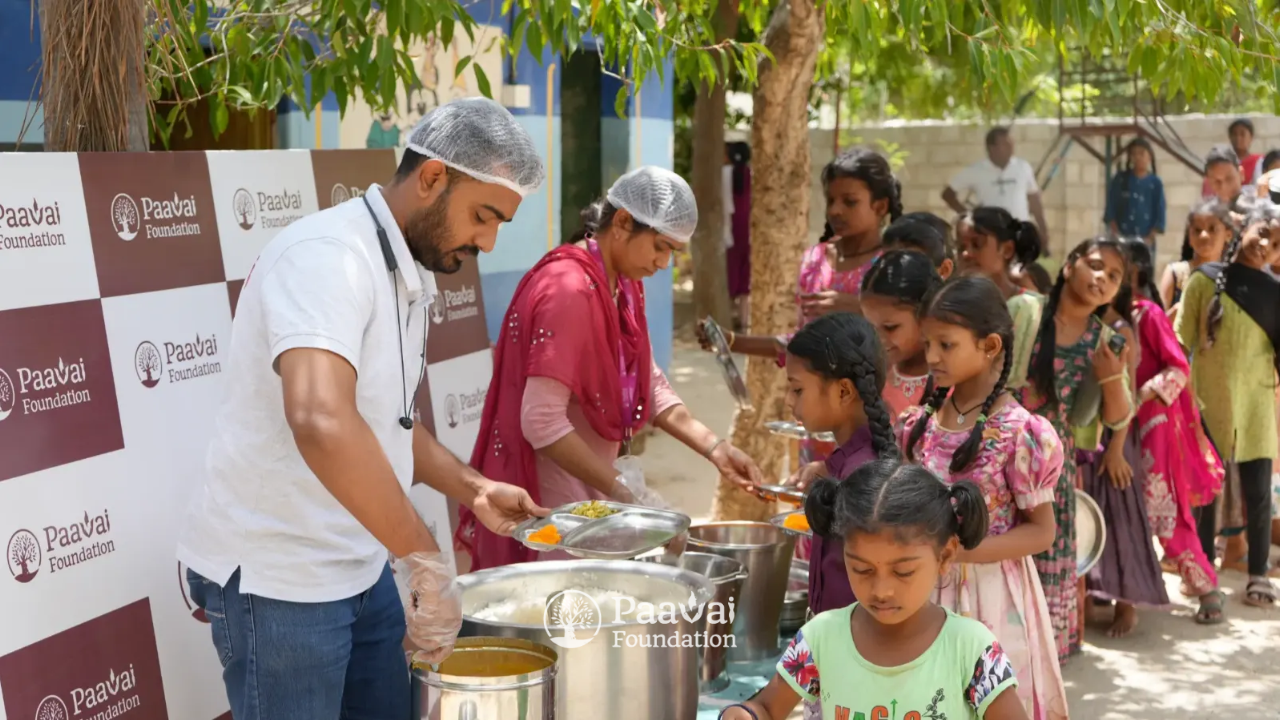
It also helps to think about how you give. Regular contributions let organisations plan education, health and care ahead, which is why many people choose monthly support. Monthly Giving vs One-Time Donation: Which Does More for a Child? explains the difference.
What to ask: "How will my donation be used, and will I receive updates on the work it supports?"
Check 4: Child Safeguarding Policies
This is the check that matters most, and the one people most often forget.
A child protection NGO in India should have a written child safeguarding policy that everyone follows: staff, volunteers, visitors and donors. A strong policy usually covers:
background checks and references for staff and volunteers
a code of conduct for anyone who interacts with children
clear rules about supervision, so no outsider spends unsupervised time alone with a child
guidelines on physical contact, gifts and communication with children
a clear process for reporting and responding to any concern
training for staff on child protection
If an organisation asks you to sign a code of conduct, provide ID or attend an orientation before you meet children, that's a good sign. It means the organisation takes children's safety seriously, and it's protecting you too.
What to ask: "Do you have a child safeguarding policy, and what do volunteers and visitors need to agree to?"
Check 5: Privacy, Consent and Respectful Storytelling
Children in care have the same right to privacy as any other child. Many have difficult histories that are theirs alone to share, if and when they choose.
Responsible child-focused charities are careful about how they tell children's stories. They avoid publishing children's full names, faces, locations or personal histories in ways that could identify them. The Juvenile Justice Act also restricts disclosing the identity of children in need of care and protection in media reports.
You'll often see responsible organisations use photos taken from behind, silhouettes, hands at work, or images where children can't be recognised. Stories are told with dignity, focusing on strengths and progress rather than suffering.
The same applies to supporters. A good organisation won't let visitors photograph children, post about them on social media, or ask them to perform or tell their stories for donors.
What to ask: "What's your policy on photographs and sharing children's stories?"
Check 6: The Quality and Dignity of Care
Registration and paperwork tell you an organisation is legitimate. The quality of care tells you whether children are thriving.
Signs of good care include:
Continuous education. Children attend school regularly, receive academic support, and are encouraged to complete their education.
Health and nutrition. Regular health check-ups, balanced meals, and access to medical care when needed.
Emotional well-being. Trained caregivers, counselling support where needed, and a stable, predictable routine.
Consistent caregivers. The same trusted adults over time, rather than a constant stream of new faces.
Preparation for the future. Life skills, vocational guidance and support as young people approach adulthood.
Family connection where possible. India's child protection system increasingly emphasises family-based care, such as reunification, kinship care, foster care and sponsorship, with institutional care as a last resort. Organisations that support family ties where safe, and plan for children's long-term futures, reflect this approach.
Inclusion. Children with disabilities or special needs receive the specific support they need.
What to ask: "How do you support children's education, health and emotional well-being? What happens when a child turns eighteen?"
Check 7: Meaningful Volunteer Opportunities
Wanting to volunteer with a child care NGO is wonderful. The most meaningful volunteering is designed around what children genuinely need, not around what makes a memorable experience for the volunteer.
Children in care benefit most from stability. A series of short-term visitors who arrive, form a quick bond and leave can actually be unsettling. That's why many thoughtful organisations offer volunteering that:
matches your professional skills to real needs, such as teaching, healthcare, counselling, design, technology, fundraising or accounts
involves a longer-term commitment rather than a single visit
includes screening, orientation and a code of conduct
often takes place behind the scenes, supporting staff rather than spending direct time with children
Some of the most valuable volunteers never meet the children at all. They build a website, run a fundraising campaign, train staff or manage accounts, and in doing so strengthen everything the organisation does.
For a closer look at the different ways to get involved, read Visit, Volunteer or Sponsor: Different Ways to Be Part of a Child's Life in Trichy.
What to ask: "What volunteer roles do you need most, and what's the screening and orientation process?"
Warning Signs Worth Pausing On
Most child care NGOs work with real dedication. Still, a few signs are worth noticing. If you see any of these, ask more questions before you give.
Pressure to donate immediately, especially through emotional urgency or appeals that discourage questions.
Cash-only donations or no receipts.
Unlimited, unannounced visits with no ID checks, orientation or supervision.
Children used in fundraising, such as being asked to perform, pose for photographs or share personal stories with donors.
Encouragement to photograph children or post about them online.
No registration documents, or reluctance to share them.
Vague answers about how donations are used.
Children described as "orphans" without context. Many children in care have living parents or relatives, and responsible organisations describe their situations carefully.
If you're thinking of visiting a children's home, Looking for an Orphanage in Trichy? Read This Before You Visit explains how to approach a visit responsibly.
Supporting Children Without Disrupting Their Lives
The kindest support is often the quietest. Children in care need what every child needs: routine, stability, school, rest, play and trusted adults. Generous gestures work best when they fit around that rhythm.
Follow the organisation's guidance. Ask what's actually needed before buying gifts or supplies. Organisations often know exactly what will help, and it's not always what donors expect.
Avoid one-off gifts to individual children. Gifts given to some children and not others can cause hurt. Supporting the whole group, or giving through the organisation, is fairer.
Respect school hours and routines. Visits or celebrations should fit around children's schedules, not interrupt study time.
Keep your support consistent. Regular, reliable support is worth more than a single large gesture.
Let children's privacy come first. Celebrate your contribution without needing photos of the children who benefit.
For a real-world example of how children's homes provide this kind of stability, see Children's Home in Tirupati: Who Cares for Children When Families Cannot?
Applying These Checks to Paavai Foundation
Paavai Foundation is an Integrated Child Development Foundation working across Tamil Nadu, Andhra Pradesh and Telangana, with children's homes in Trichy, Tirupati and Hyderabad. We encourage every supporter to apply these same seven checks to us.
Our registration and compliance documents are available on our certificates and legal compliance pages. Our transparency page and annual reports set out how we work and how funds are used.
Our approach to care follows the Paavai Child Life Building Model: Care, Educate, Empower and Lead. Paavai Abhayam focuses on safety, stability and emotional well-being. Paavai Gurukul keeps education continuous. Paavai ID Care provides lifelong support for children with intellectual disabilities.
If you have questions about any of this, please contact us. We're always happy to answer them.
Give With Your Heart, and With Confidence
Choosing an NGO for children in India isn't about finding a perfect organisation. It's about finding one that's honest, accountable and genuinely focused on children's well-being. When you ask good questions, you're not being difficult. You're being exactly the kind of supporter that good organisations hope for.
Your generosity can help a child attend school, stay healthy, feel safe and grow into a confident young adult. A few minutes of checking makes sure that generosity does the most good it possibly can.
When you're ready, learn more about Paavai Foundation's child-focused work, and choose the way that suits you: donate, volunteer, or get in touch to arrange a visit in line with our guidelines.
FAQs
How do I choose a child care NGO in India?
Check seven things: legal registration, financial transparency, clarity about how donations are used, child safeguarding policies, privacy and consent practices, the quality of care, and how volunteering is structured.
How can I verify if an NGO is registered in India?
Ask for its registration certificate, 12A and 80G certificates, and NGO Darpan ID. You can search the NGO Darpan portal by name. Children's homes should also be registered under the Juvenile Justice Act, 2015.
Do children's homes in India need to be registered?
Yes. Under the Juvenile Justice (Care and Protection of Children) Act, 2015, every child care institution housing children must be registered under the Act.
Is my donation to a child care NGO tax deductible?
If the NGO has valid 80G registration, eligible donations may qualify for a deduction under Section 80G of the Income Tax Act. Ask for a proper receipt and a Form 10BE certificate.
What is a child safeguarding policy?
It's a written set of rules that protects children from harm. It typically covers background checks, codes of conduct, supervision, photo rules and a clear process for reporting concerns.
Can I volunteer at a children's home in India?
Many organisations welcome volunteers, especially for skills-based, longer-term roles. Expect screening, orientation and a code of conduct, and don't expect unsupervised time with children.
Why can't I take photos of children at an NGO?
Children in care have a right to privacy, and many have histories that could put them at risk if shared. Responsible organisations protect children's identities.
Comments
Loading comments...
Leave a comment
Your email address will not be published. Only your name is shown with your comment.