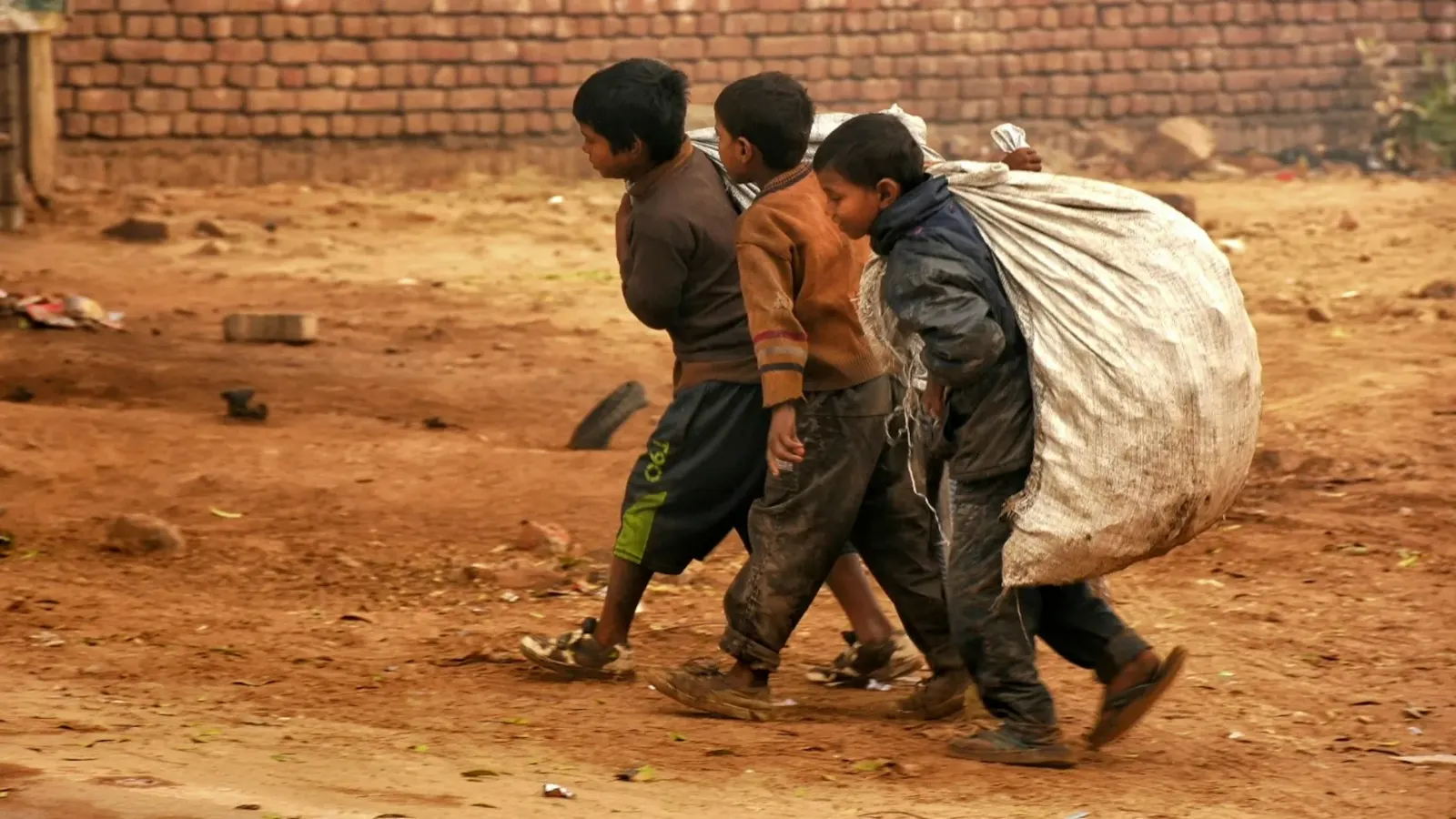
Every child deserves the opportunity to learn, grow, play and imagine a future shaped by their abilities and aspirations. Yet for many children, childhood can be interrupted by circumstances that place them in work instead of a classroom.
Child labour remains an important social concern in India and across the world. Poverty, limited access to education, family circumstances, social vulnerabilities and other factors can contribute to children entering work at an early age. When children spend their formative years working instead of learning, the consequences can extend beyond their childhood and influence their future opportunities.
Education can play an important role in changing this reality.
A quality education can help children develop knowledge, skills and confidence while creating pathways towards greater economic and social opportunities. At the same time, supporting families, strengthening communities and improving access to essential services are important parts of addressing the factors that contribute to child labour.
This is where collective action by families, schools, communities, governments and child welfare organizations can make a meaningful difference.
What Is Child Labour?
Child labour generally refers to work that deprives children of their childhood, potential and dignity, or work that is harmful to their physical or mental development and interferes with their education.
Children may become involved in different forms of work because of economic hardship, lack of educational opportunities, social circumstances or family vulnerabilities.
The issue is therefore more complex than simply asking a child to stop working.
If a child is contributing to a family’s income because the household is struggling to meet basic needs, removing the child from work without addressing the underlying circumstances may not provide a sustainable solution.
Effective efforts to end child labour need to consider the child, family, community and wider social environment.
Education is a critical part of that approach.
Why Education Matters in the Fight Against Child Labour
Education gives children an opportunity to develop skills that can influence their future.
When children have access to a safe, supportive and engaging learning environment, they are more likely to develop literacy, numeracy, communication, problem-solving and social skills.
Also Read: 10 Ways to Make a Difference in a Child’s Life
These skills can help children continue their education and eventually pursue further training, employment or other opportunities as they grow older.
Education also creates a structured environment in which children can learn, interact with their peers and develop their confidence.
For children who may otherwise be vulnerable to entering work at an early age, access to meaningful education can provide an alternative pathway.
Education Can Help Keep Children in School
One of the most important ways education can contribute to ending child labour is by making school a meaningful and accessible part of a child’s life.
A child is more likely to remain engaged with education when learning is relevant, supportive and appropriate to their needs.
Schools and educational programmes can help by providing:
Age-appropriate learning
Support for children who have fallen behind
Safe and inclusive classrooms
Learning materials
Teachers and mentors
Life-skills education
Opportunities for creativity and participation
Support for children from vulnerable families
When children see education as a pathway towards opportunity, continuing in school can become a realistic and meaningful choice.
Education Can Break Cycles of Poverty
Poverty is one of the factors often associated with child labour.
When families struggle to meet basic needs, children may become involved in work to supplement household income.
Education alone cannot eliminate poverty. However, quality education can help children develop skills that may expand their future opportunities.
A child who gains foundational literacy and numeracy can progress towards higher levels of education. Further education and skills development can create pathways to more sustainable livelihoods in adulthood.
Over time, this can contribute to breaking intergenerational cycles of disadvantage.
The impact can extend beyond one child.
When an educated young person gains greater economic opportunity, their future family may also benefit from improved access to education, health and other essential resources.
In this way, education can influence generations, not just individual lives.
Supporting Families Is Also Essential
Ending child labour cannot be achieved by focusing on children alone.
Families need support too.
Parents and caregivers may face unemployment, unstable incomes, health challenges, debt or limited access to social services. These circumstances can place pressure on families and increase the risk of children entering work.
Child-focused organizations can therefore contribute by connecting families with appropriate support and community resources.
Depending on local needs, this can include awareness programmes, livelihood support, access to government schemes, health services, educational support and community development.
When families become more secure, children can have a stronger opportunity to remain in education.
The Role of Schools and Teachers
Schools are central to preventing child labour.
Teachers are often among the adults who can notice changes in a child’s attendance, participation or well-being.
A child who repeatedly misses school may be experiencing challenges outside the classroom.
Creating supportive learning environments can encourage children to remain engaged with education. Teachers can also work with families and appropriate institutions when children face barriers to continuing their education.
Schools can contribute through:
Early identification of children at risk of dropping out.
Inclusive education that accommodates different learning needs.
Academic support for children who have fallen behind.
Safe learning environments where children feel respected.
Life-skills development that builds confidence and communication.
Family engagement that encourages continued participation in education.
A school can become much more than a place where lessons are taught.
It can become a protective environment where children are encouraged to learn and develop.
Communities Have an Important Role
Child labour is not only an individual or family issue. Communities also influence children’s opportunities.
Community awareness can help people understand the importance of education and the risks associated with child labour.
Local leaders, schools, community organizations, volunteers and families can work together to encourage school attendance and identify children who may need additional support.
Community programmes can also help connect families with educational, healthcare and social support services.
When an entire community believes that children belong in classrooms rather than workplaces, the social environment around children begins to change.
Girl Child Education and Child Labour
Girls can face additional barriers to education, including household responsibilities, social expectations, poverty and early marriage.
For this reason, efforts to prevent child labour should also consider the specific needs of girls.
Supporting girls to remain in education can provide opportunities to develop knowledge, confidence, life skills and future career aspirations.
Education can also help girls understand their rights and make informed decisions about their lives.
A girl who is supported to complete her education has greater opportunities to shape her own future.
This is why girl-child education and empowerment are important components of broader child development and protection efforts.
What Can Individuals Do to Help End Child Labour?
Ending child labour requires large-scale systems and policies, but individuals can also contribute.
Parents can encourage children to remain in school.
Communities can promote awareness.
Teachers can support children at risk of dropping out.
Businesses can strengthen responsible labour practices and supply chains.
Citizens can support credible child welfare organizations.
Volunteers can contribute their time and skills.
Donors can support programmes focused on education and child protection.
People can also speak up when they encounter situations where children may be at risk and use appropriate official channels to report concerns.
Small actions become more powerful when they are part of a collective commitment to children’s rights.
The Role of NGOs in Ending Child Labour
NGOs working with children can help connect different parts of the solution.
Their work may include educational programmes, child protection, healthcare, nutrition, family support, community awareness and rehabilitation or reintegration support where appropriate.
An NGO may also work with schools, families, government institutions and local communities to identify barriers affecting children’s education.
The most effective approaches recognize that child labour has multiple causes and therefore requires coordinated responses.
The goal is not simply to remove a child from a workplace.
The goal is to help create the conditions in which the child can return to learning, remain protected and build a sustainable future.
How Paavai Foundation Supports Child Development
At Paavai Foundation, we believe that education is one of the strongest foundations for a child’s future.
Our philosophy is guided by three simple words:
Care for Life.
Our work focuses on creating supportive environments where children can receive care, education, healthcare, protection and opportunities to develop their abilities.
Through initiatives such as Paavai Gurukul, Paavai Arogya, Paavai Abhayam, Paavai Nayak, Paavai ID Care, Paavai Shishumithra and Paavai Community Connect 360, we work across different areas of child and community development.
Our roots are in Tamil Nadu, with our work extending across South India, including Andhra Pradesh and Telangana.
Our approach recognizes that education works best when children also have access to the other foundations they need to grow.
A child needs a safe environment.
A child needs nutritious food.
A child needs healthcare.
A child needs encouragement.
A child needs protection.
A child needs opportunities to learn.
And a child needs the confidence to imagine a future beyond their present circumstances.
This integrated approach is central to our commitment to child development.
Education Is More Than a Classroom
When we talk about education as a tool to end child labour, we should think beyond textbooks and examinations.
Education can teach children how to communicate.
It can develop curiosity.
It can build confidence.
It can encourage problem-solving.
It can help children understand their rights.
It can introduce them to opportunities they may not have imagined.
Most importantly, education can help children see themselves as individuals with choices and potential.
That is why improving access to quality education should remain an important part of efforts to address child labour.
Building a Future Where Every Child Can Learn
Ending child labour is a shared responsibility.
Governments have an important role in strengthening laws, policies, social protection and education systems.
Schools have a responsibility to create safe and inclusive learning environments.
Families need support to keep children in education.
Also Read: Building Confidence & Education for Vulnerable Children
Communities can help identify vulnerabilities and encourage school participation.
Businesses can take responsibility for preventing child labour within their operations and supply chains.
NGOs can work with communities to address the interconnected challenges children and families face.
And individuals can contribute through awareness, volunteering and responsible giving.
No single organization can solve the issue alone.
But collective action can create lasting change.
Every Child Belongs in a Classroom, Not a Workplace
Childhood should be a time for learning, discovery, friendship, play and growth.
A child’s future should not be determined by poverty or circumstances beyond their control.
Education can open doors that may otherwise remain closed. It can provide knowledge, build confidence and create opportunities that extend far beyond childhood.
When we support a child to stay in school, we are supporting more than their education.
We are supporting their health, confidence, independence and future possibilities.
And when communities invest in children, they invest in the future of society itself.
At Paavai Foundation, we believe that every child deserves the care and opportunity needed to grow into a confident and capable individual.
Because when children learn, they gain possibilities. When children are protected, they gain security. When children are empowered, communities grow stronger.
Care for Life. Empower Every Child.
FAQs
How can education help end child labour in India?
Education can provide children with opportunities to develop knowledge and skills while helping them remain connected to school instead of entering work at an early age. Quality education, combined with family support, social protection and child protection measures, can help address some of the factors associated with child labour.
Why is education important for preventing child labour?
Education can improve children’s future opportunities and help break cycles of disadvantage. A safe and engaging school environment can also encourage children to remain in education and develop skills for their future.
What can individuals do to help end child labour?
Individuals can support child education programmes, volunteer with credible child NGOs, raise awareness, encourage school participation and use appropriate official channels to report concerns involving children.
What role do NGOs play in preventing child labour?
NGOs can work with children, families, schools and communities through education, child protection, healthcare, nutrition, awareness and other support programmes. Their work can help address some of the interconnected factors that place children at risk.
How does Paavai Foundation support children?
Paavai Foundation works across child care, education, healthcare, girl-child empowerment, disability inclusion and community development. Its work across South India is guided by its philosophy, Care for Life.