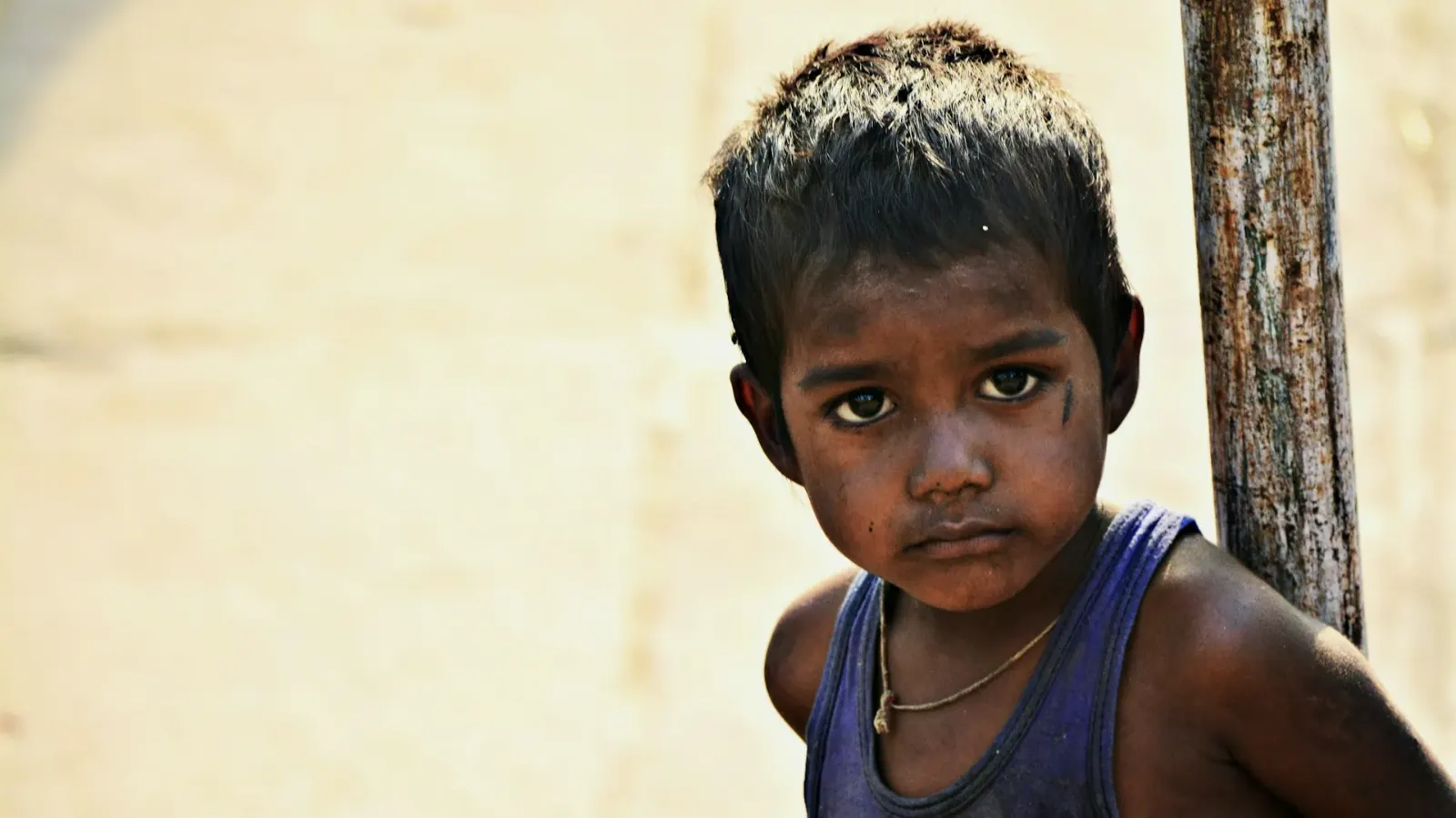
10 Ways to Make a Difference in a Child’s Life
Every child deserves the opportunity to grow up with care, dignity, safety and hope. The early experiences a child has can influence their education, health, confidence, relationships and opportunities throughout life.
For some children, however, circumstances such as poverty, limited access to education, poor nutrition, disability, social vulnerability or difficult family situations can create barriers to a healthy and secure childhood.
Making a difference in a child’s life does not always require a large donation or a major initiative. Sometimes, meaningful change begins with something simple: helping a child learn, listening to them, encouraging their interests, supporting their education or creating a safer environment around them.
When families, communities, volunteers, donors and child welfare organizations come together, these individual actions can become part of a much larger effort to create better futures for children.
Here are ten meaningful ways you can make a difference in a child’s life.
1. Help a Child Access Quality Education
Education can open opportunities that extend far beyond the classroom.
For children from vulnerable backgrounds, continuing education can sometimes be challenging because of financial difficulties, lack of learning resources, family circumstances or other barriers.
Supporting a child’s education can take many forms. You can contribute towards books and school supplies, support learning programmes, help provide digital learning opportunities or donate to an organization working for child education.
Education also helps children develop communication, creativity, problem-solving, social skills and confidence.
When a child learns, they gain more than knowledge. They begin to discover what they are capable of achieving.
2. Support a Child’s Health and Nutrition
A child needs good health to learn, play and develop.
Access to nutritious food and appropriate healthcare can make an important difference during childhood. Regular health support, nutrition programmes, hygiene awareness and health screenings can help address some of the challenges children and families may experience.
You can support child healthcare and nutrition programmes through donations, volunteering, community initiatives or by helping organizations reach families who need support.
A healthy childhood creates a stronger foundation for learning and development.
3. Be Someone Who Encourages a Child
Children often remember the people who believed in them.
A teacher who recognizes a child’s ability. A mentor who encourages their interests. A parent who listens to their ideas. A volunteer who tells them that their efforts matter.
Simple encouragement can help children develop confidence.
Instead of focusing only on achievements, encourage children to ask questions, try new things, learn from mistakes and continue when something feels difficult.
A few encouraging words can sometimes change how a child sees themselves.
Every child deserves to hear: “You can do this.”
4. Give Your Time and Skills
Your time can be just as valuable as financial support.
People with different backgrounds and skills can contribute to child-focused programmes. Teachers can support learning. Professionals can share their expertise. Artists can conduct creative activities. Technology professionals can support digital learning. Volunteers can help with community programmes and fundraising.
The important thing is to contribute according to the organization’s actual needs.
If you work directly with children, always follow the organization’s safeguarding policies and maintain appropriate boundaries.
Responsible volunteering places the child’s safety and well-being first.
5. Support Girl Child Education and Empowerment
Every girl deserves the opportunity to learn, develop her abilities and make informed choices about her future.
Girls can face additional barriers related to poverty, social expectations, limited educational opportunities and early marriage.
Supporting girl child education can help create opportunities for learning, confidence, health awareness, life skills and leadership.
You can support girls by donating to education programmes, encouraging school participation, volunteering your skills or raising awareness about the importance of girls’ education.
When girls are given opportunities to learn and grow, the benefits can extend to families and communities.
6. Include Children With Disabilities
Every child has abilities, interests and aspirations.
Children with disabilities may experience additional barriers to education, healthcare, communication, mobility and social participation.
Creating inclusive environments can help ensure that children have opportunities to participate and develop their potential.
You can support disability inclusion by contributing to programmes that provide education, healthcare, rehabilitation, assistive resources, life skills and family support.
Read More: How to Support a Child NGO in India: A Complete Guide to Giving and Volunteering
Inclusion also begins with how we see children.
A child should be recognized for their abilities and individuality rather than defined by a disability.
Creating a more inclusive environment can make a lasting difference to a child’s confidence and sense of belonging.
7. Help Create Safe Environments for Children
Children need more than food and education. They need safety.
Child labour, child marriage, abuse, exploitation and other forms of harm can affect a child’s development and future opportunities.
Individuals can contribute to child protection by learning about children’s rights, supporting credible child welfare organizations and helping communities understand the importance of safe environments.
Families, schools, communities, governments and NGOs all have a role in protecting children.
A safe childhood gives children the freedom to learn, explore and grow.
8. Donate Responsibly to Child Welfare Programmes
Financial contributions can help child-focused organizations continue programmes that support education, healthcare, nutrition, protection and development.
If you are planning to donate, take time to understand the organization you are supporting.
Look at its mission, programmes, transparency, safeguarding practices and approach to child development.
You can choose a one-time contribution or consider regular giving if it is appropriate for you.
The value of a donation is not simply measured by its size. Consistent and responsible support can help organizations build sustainable programmes for children and communities.
9. Help a Child Discover Their Potential
Children need opportunities to explore their interests.
Reading, art, music, sports, storytelling, technology, science and creative activities can help children discover abilities they may not have known they possessed.
You can encourage children to ask questions, experiment, create and learn.
For children who have limited access to such opportunities, structured programmes offered by schools and child NGOs can provide valuable exposure.
A child who discovers a passion today may discover a future career tomorrow.
The role of adults is not to decide what a child should become.
It is to help create the opportunities through which children can discover what they can become.
10. Become an Advocate for Children
You can make a difference even when you are not directly working with children.
Talk about children’s rights.
Encourage education.
Speak against child labour and child marriage.
Promote disability inclusion.
Support girl-child empowerment.
Share reliable information about child welfare.
Encourage your friends, family and community to support credible organizations working with children.
Social change often begins with awareness.
When more people understand the challenges children face, more people can become part of the solution.
Making a Difference Goes Beyond One Moment
Helping a child is not always about one dramatic act.
It can be a series of small, consistent actions.
A book given at the right time.
A teacher who notices a child’s potential.
A meal provided when a family is struggling.
A volunteer who gives their time.
A donor who supports education every month.
A community that chooses to protect its children.
Each action can become part of a larger support system around a child.
This is why child development requires collective effort.
Families, schools, communities, NGOs, governments and citizens all have important roles to play.
The Importance of Supporting the Whole Child
Children’s needs are connected.
Education is connected to health.
Health is connected to learning.
Protection is connected to confidence.
Family well being is connected to a child’s development.
Inclusion is connected to participation.
For this reason, supporting a child effectively often means looking beyond one immediate need.
A holistic approach can bring together care, education, healthcare, nutrition, protection, skills, inclusion and empowerment.
When these areas come together, children have a stronger foundation on which to build their futures.
How Paavai Foundation Works to Make a Difference in Children’s Lives
At Paavai Foundation, our work is guided by a simple philosophy:
Care for Life.
We believe every child deserves to grow with care, dignity, education, health, protection and opportunity.
Our work brings together different areas of child and community development, including child care, education, healthcare, girl-child empowerment, disability inclusion and community development.
Through initiatives such as Paavai Gurukul, Paavai Arogya, Paavai Abhayam, Paavai Nayak, Paavai ID Care, Paavai Shishumithra and Paavai Community Connect 360, we work towards creating an integrated support system for children and communities.
With roots in Tamil Nadu and an expanding presence across Andhra Pradesh and Telangana, Paavai Foundation is working to strengthen child and community development across South India.
Our approach is based on the understanding that every child has different needs.
Some children need a safe home environment.
Some need educational support.
Some need healthcare.
Some need additional support because of disability.
Some need encouragement to remain in school.
Some need opportunities to discover their abilities.
And every child deserves dignity.
Our aim is to create an environment where children can move from care to confidence, education to opportunity and support to greater independence.
You Don’t Have to Change the Whole World
Sometimes, the size of social challenges can make individual action feel small.
But meaningful change rarely happens through one person alone.
It happens when many people choose to contribute.
One person supports education.
Another volunteers.
Someone provides healthcare.
Another raises awareness.
An organization builds a programme.
A community creates a safer environment.
Together, these actions can change the possibilities available to children.
You do not have to help every child.
Start by helping one.
A Better Future Begins With Childhood
A child’s future should not be limited by the circumstances of their childhood.
Every child deserves the opportunity to learn, stay healthy, feel safe, discover their abilities and dream about what comes next.
Making a difference can begin with something as simple as giving your time, sharing your skills, supporting education or choosing to care.
When we invest in children, we invest in families.
When we strengthen families, we strengthen communities.
And when communities create opportunities for children, they help shape a stronger future for everyone.
At Paavai Foundation, we believe that every act of care can contribute to a better tomorrow.
Care for a child today. Empower a generation tomorrow.
Paavai Foundation
Care for Life.
FAQs
How can I make a difference in a child’s life?
You can make a difference by supporting education, healthcare, nutrition, child protection, girl-child empowerment and disability inclusion. You can also volunteer, mentor through appropriate programmes, donate to a credible child NGO or raise awareness about children’s rights.
Can I help a child without donating money?
Yes. Your time, professional skills, knowledge and voice can also contribute. Volunteering, fundraising, educational support and awareness activities are some ways to help without making a financial contribution.
What is the best way to support a child’s education?
You can support a child’s education by contributing to educational programmes, providing learning resources, volunteering your skills or supporting a child welfare organization that works to improve access to education.
How can I support girl-child education?
You can donate to girl-child education programmes, encourage girls to remain in school, support life-skills and leadership initiatives, volunteer your skills or raise awareness about the importance of girls’ education.
How can I support children with disabilities?
You can support disability-inclusive programmes that provide education, healthcare, rehabilitation, life skills, assistive resources and opportunities for social participation.
Why is child protection important?
Children need safe environments to learn and develop. Child protection helps prevent abuse, exploitation, child labour, child marriage and other forms of harm that can affect children’s well-being and future opportunities.
What does Paavai Foundation do?
Paavai Foundation works across child care, education, healthcare, girl-child empowerment, disability inclusion and community development. With roots in Tamil Nadu and an expanding presence across South India, the Foundation works to create better opportunities for children and communities under its guiding philosophy, Care for Life.
About the Author

Chandu Venkata Satish
Digital Marketing Consultant & Strategist
Chandu Venkata Satish is a Digital Marketing Consultant and Strategist focused on brand growth, digital positioning, and high-impact marketing solutions. He specializes in transforming ideas into scalable digital success through strategy, innovation, and performance-driven execution.
Newsletter
Get Informed
Subscribe to stay informed and receive periodic reading selections by email. You can completely customize the content you want to receive.