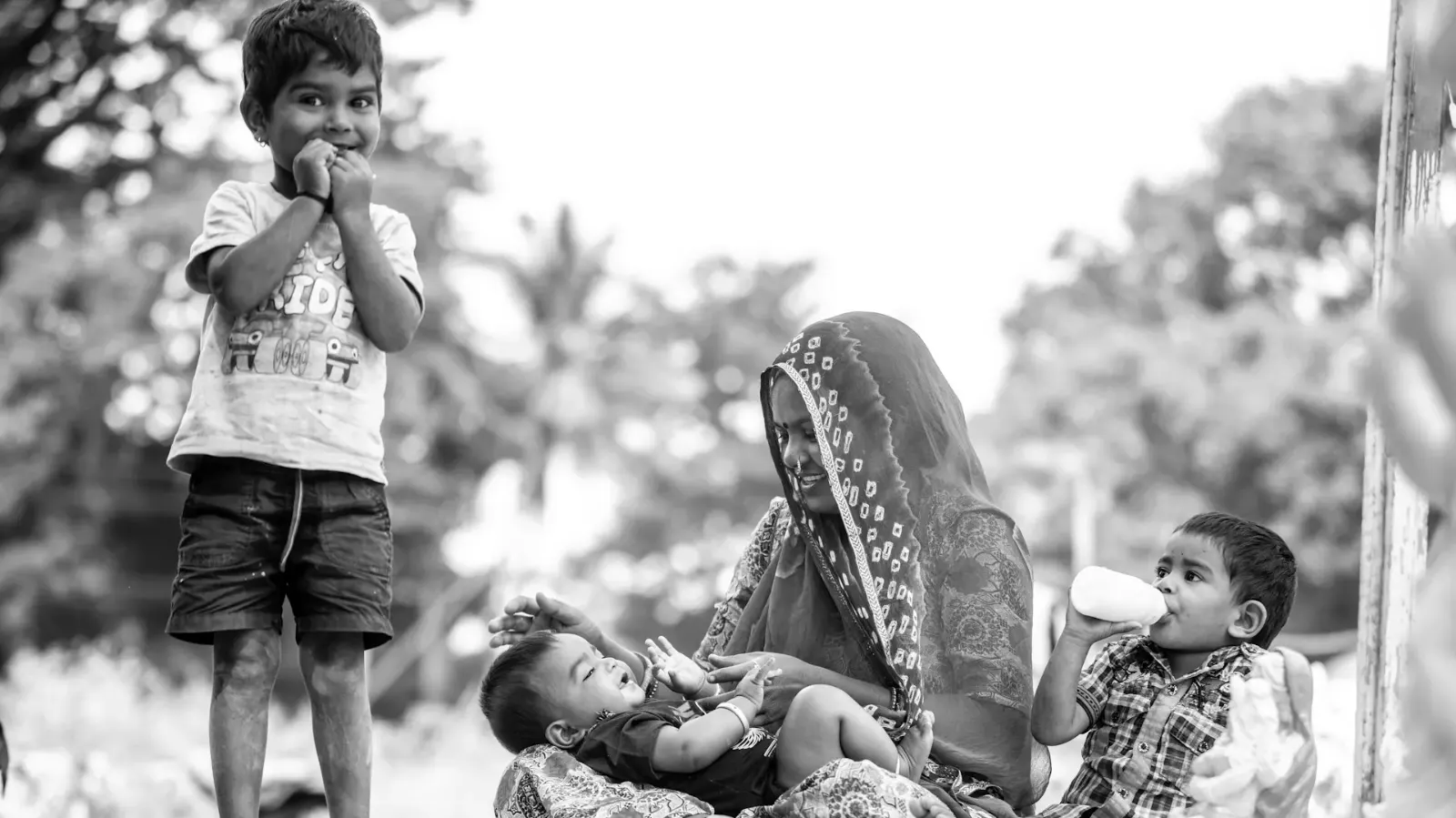
Every child deserves to be understood, respected and given the opportunity to grow.
For children with disabilities, the journey of childhood can sometimes come with additional challenges. Access to education, healthcare, communication, social participation and everyday opportunities may require greater support from families, schools, communities and institutions.
But disability does not define a child’s potential.
With the right environment, appropriate support and meaningful opportunities, children with disabilities can learn, develop skills, build relationships and participate actively in their communities.
Creating such an environment requires us to move beyond seeing disability only through the lens of limitations. It requires us to recognize the abilities, aspirations, dignity and individuality of every child.
This is where inclusive child care and community support can make a lasting difference.
What Does It Mean to Support a Child with a Disability?
Supporting a child with a disability means understanding the child’s individual needs and creating an environment that enables participation and development.
Every child is different. Their support requirements may depend on their disability, age, communication abilities, health, family environment, education and many other factors.
Support may include:
Access to appropriate healthcare
Inclusive education
Communication support
Skill development
Emotional and social support
Safe and accessible environments
Family guidance
Opportunities for recreation and participation
Assistive devices or technologies where appropriate
Community inclusion
The goal is not simply to provide care.
The goal is to help every child participate, develop confidence and experience a sense of belonging.
Understanding Children Beyond Their Disability
One of the most important steps towards inclusion is changing the way we look at disability.
A child is not defined by a diagnosis or a disability.
They are a child first — with interests, emotions, talents, dreams, friendships and aspirations.
Some children may communicate differently.
Some may learn at a different pace.
Some may need additional physical support.
Others may require specialized educational or therapeutic assistance.
These differences should guide the support we provide, rather than become reasons for exclusion.
When adults focus on what a child can do, they create opportunities for growth.
Why Early Support Matters
Childhood is an important period of development.
Early identification of support needs and access to appropriate services can help children develop skills and participate more effectively in everyday life.
Depending on the child’s needs, early support may involve a Special Child Care Centre, healthcare professionals, educators, therapists, caregivers and other specialists.
These services can work together through Inclusive Development Programs to support each child’s abilities, participation and overall development.
Early intervention can support areas such as:
Communication
Motor skills
Learning
Social interaction
Self-care
Emotional development
Everyday independence
The specific support required should always be determined according to the individual child’s needs, preferably with guidance from qualified professionals.
Inclusive Education Gives Every Child a Chance to Learn
Education is a fundamental part of childhood.
Children with disabilities should have meaningful opportunities to learn in environments that respect their individual needs and abilities.
Inclusive education aims to reduce barriers that prevent children from participating in learning.
This can involve appropriate teaching methods, accessible learning materials, classroom adaptations, assistive technologies and additional support where required.
But inclusion is about more than physical access to a classroom.
A truly inclusive learning environment allows children to:
Participate.
Communicate.
Ask questions.
Build friendships.
Express themselves.
Discover their abilities.
Develop confidence.
When children learn together and understand one another’s differences, the entire school community benefits.
The Importance of Accessible Healthcare
Children with disabilities may require different forms of healthcare and developmental support.
Depending on individual needs, this may include medical care, rehabilitation, therapy, developmental assessments or other professional services.

Families may also need guidance to understand available services and make informed decisions about their child’s care.
Accessible healthcare should therefore consider both the child’s needs and the family’s circumstances.
A child-centred approach places the child’s well-being, dignity and participation at the centre of care.
Emotional and Social Well-Being Matters Too
Physical and educational support are important, but children also need emotional connection and social participation.
A child may feel isolated when they are repeatedly excluded from activities, conversations or community experiences.
Friendships and positive relationships can help children develop:
Confidence
Communication skills
Emotional resilience
A sense of belonging
Social skills
Families, schools and communities can create opportunities for children with disabilities to participate in games, celebrations, cultural activities, sports, creative programmes and other age-appropriate activities.
Inclusion happens when children are part of everyday life.
Family Support Is at the Heart of Inclusion
Families are often the most important support system in a child’s life.
Parents and caregivers may have many questions about education, healthcare, communication, behaviour, development and the child’s future.
They may also need emotional and practical support themselves.
A strong child development approach therefore supports families alongside children.
Parents and caregivers can help by:
Understanding the child’s individual strengths and needs
Encouraging independence
Celebrating progress
Communicating openly with educators and professionals
Creating opportunities for social interaction
Advocating for accessibility and inclusion
Providing a safe and supportive home environment
Every achievement may look different for every child.
What matters is creating opportunities for the child to progress at their own pace.
Building Independence and Life Skills
One of the most valuable forms of support is helping children develop appropriate levels of independence.
Depending on the child’s abilities, everyday skills may include:
Communication
Personal hygiene
Eating
Dressing
Movement
Making simple choices
Following routines
Interacting with others
Expressing needs
Learning these skills can strengthen confidence and participation.
The objective should always be to support the child without unnecessarily taking away opportunities for independence.
Creating Accessible Communities
Inclusion cannot stop at home or school.
Children with disabilities are part of the wider community, and communities have a responsibility to make participation possible.
Accessible communities can include:
Safe public spaces
Accessible buildings
Inclusive educational institutions
Appropriate transportation
Community awareness
Inclusive recreational activities
Accessible communication
Respectful social attitudes
Sometimes the biggest barrier is not the disability itself.
It is the barrier created by society.
A staircase without an accessible alternative can prevent physical access.
A lack of communication support can prevent participation.
Negative attitudes can create social exclusion.
Removing these barriers is an important part of building an inclusive society.
Changing the Way Society Talks About Disability
Language matters.
The way we speak about disability can influence how society understands and treats people with disabilities.
Children should never be described only through their limitations.
Instead of focusing on what a child cannot do, we can ask:
What support does this child need to participate?
Instead of asking why a child is different, we can ask:
How can we create an environment where every child belongs?
This shift in perspective can transform the way families, schools and communities approach inclusion.
The Role of NGOs in Disability Inclusion
Non-governmental organizations can play an important role in supporting children with disabilities and their families.
Depending on their programmes and expertise, NGOs may contribute through:
Inclusive education
Residential care
Healthcare support
Rehabilitation and developmental services
Nutrition
Skill development
Family support
Awareness programmes
Community inclusion
Capacity building
Advocacy for child rights and accessibility
The most effective approach is one that recognizes the child as an individual and works alongside families and communities.
Paavai Foundation Approach to Children with Disabilities
We believe that every life deserves care, dignity and opportunity.
Our philosophy, Care for Life, extends to children with disabilities and their families.
Through our Paavai ID Care initiatives, we work towards creating supportive environments for children with intellectual disabilities and promoting their inclusion, care and development.
Our approach recognizes that children may have different needs and abilities.
Therefore, care should be:
Compassionate.
Individualized.
Inclusive.
Dignified.
Development-focused.
Paavai Foundation wider work spans child care, education, healthcare, disability inclusion, girl-child development and community development.
Our community development activities have extended across 20+ districts in Tamil Nadu, while our presence is expanding across Andhra Pradesh and Telangana.
Through this broader ecosystem, we seek to connect children and families with care, support and opportunities for development.
Paavai ID Care: Creating Opportunities for Participation
For children with intellectual disabilities, meaningful care involves much more than meeting basic needs.
Children need opportunities to communicate, participate, learn, develop skills and build relationships.
Paavai ID Care seeks to contribute to an environment where children can experience these opportunities with dignity.
The focus is on recognizing abilities and encouraging participation rather than defining children by their limitations.
A supportive environment can help children develop confidence in everyday activities and strengthen their connection with the people and communities around them.
Why Inclusion Benefits Everyone
Inclusion is often discussed as something society does for people with disabilities.
But inclusion benefits everyone.
When children grow up alongside peers with different abilities, they can develop greater understanding, empathy and respect.
Schools become more diverse.
Communities become more welcoming.
Families become more connected.
Children learn that differences are a natural part of human life.
An inclusive society is therefore not simply one where people with disabilities are accommodated.
It is one where everyone has the opportunity to belong and participate.
How You Can Support Children with Disabilities
Individuals can contribute to inclusion in many meaningful ways.
You can support children with disabilities by:
Treating every child with dignity
Encouraging inclusive education
Supporting organizations working for disability inclusion
Volunteering your time or professional skills
Supporting accessible community activities
Promoting awareness about disability
Encouraging inclusive play and social participation
Supporting families and caregivers
Making spaces more accessible
Challenging stereotypes and discrimination
Even small actions can help create a more welcoming environment.
How Companies Can Support Disability Inclusion
Businesses can also contribute through CSR programmes and community partnerships.
Corporate support can help organizations develop initiatives related to:
Inclusive education
Healthcare
Assistive support
Skill development
Accessible infrastructure
Community awareness
Family support
Disability inclusion
Companies can also contribute their expertise through employee volunteering, technology, communication, training and other professional resources.
A meaningful corporate partnership can help turn inclusion from an idea into everyday opportunity.
From Care to Confidence
The ultimate purpose of child care should be to help children experience a life filled with security, confidence, participation and possibility.
For children with disabilities, this may require additional support.
But additional support should never mean reduced expectations for their dignity or potential.
Every child deserves the opportunity to discover what they can do.
Every child deserves people who believe in them.
Every child deserves a community where they belong.
Building a Future Where Every Child Belongs
Creating an inclusive society begins with changing everyday environments.
It begins when a school welcomes every learner.
When a playground allows every child to participate.
When a family is supported rather than judged.
When communities understand disability.
When organizations build accessible programmes.
And when children are given the opportunity to be seen for their abilities rather than defined by their disabilities.
At Paavai Foundation, we believe that care and inclusion must go hand in hand.
Through our child-focused programmes and community development initiatives, we continue working towards environments where children can learn, grow, participate and live with dignity.

Because disability should never be a reason for a child to be denied a childhood filled with opportunity.
Every Child Deserves to Belong.
Paavai Foundation — Care for Life.
FAQs
What are the needs of children with disabilities?
Children with disabilities may have different needs depending on their individual circumstances. These can include healthcare, inclusive education, communication support, skill development, emotional support, accessibility, family guidance and opportunities for social participation.
Why is inclusive education important for children with disabilities?
Inclusive education can provide children with opportunities to learn, interact with peers and participate in school life while receiving appropriate support based on their individual needs.
How can parents support a child with a disability?
Parents can create a supportive home environment, encourage independence, celebrate progress, communicate with educators and qualified professionals, and provide opportunities for social participation and skill development.
What is disability inclusion?
Disability inclusion means creating environments where people with disabilities can participate meaningfully and equally in education, healthcare, community life and other areas of society.
How can NGOs support children with disabilities?
NGOs may support children through inclusive education, healthcare, rehabilitation, skill development, family support, community awareness and other child-centred programmes.
What is Paavai ID Care?
Paavai ID Care is a Paavai Foundation initiative focused on care and inclusion for children with intellectual disabilities, with an emphasis on supportive environments, dignity, participation and development.
How can I support children with disabilities in India?
You can support disability inclusion by volunteering, supporting credible NGOs, promoting inclusive education, contributing professional skills, supporting accessible environments and helping raise awareness about the rights and needs of children with disabilities.