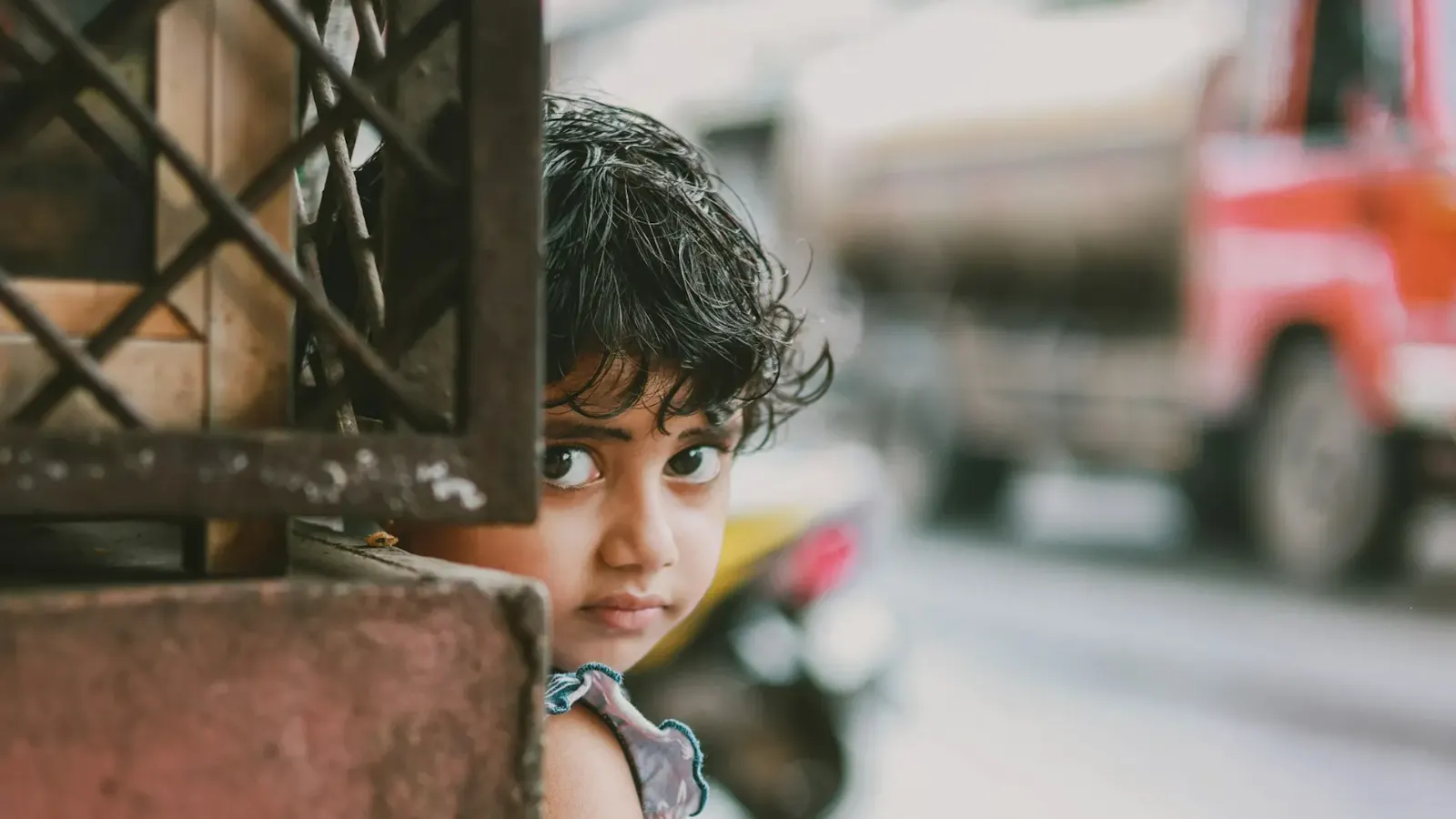
Every child has the right to grow up in a safe, respectful and protective environment. When a child’s safety is threatened by sexual abuse, exploitation or harassment, the consequences can extend far beyond the immediate incident and affect education, emotional well-being, relationships and future development.
India has a dedicated legal framework to protect children from sexual offences: the Protection of Children from Sexual Offences Act, 2012, commonly known as the POCSO Act.
The law provides a child-focused framework for dealing with sexual offences against children, including provisions relating to reporting, investigation, special courts, child-friendly procedures and protection of children’s identity.
Understanding the POCSO Act is important not only for legal professionals, but also for parents, teachers, schools, caregivers, NGOs, volunteers and communities.
This guide explains the key provisions of the POCSO Act in clear language and explores how families and organizations can contribute to creating safer environments for children.
Important: This article provides general educational information and is not a substitute for legal advice. Laws, rules and judicial interpretations can change. For a specific case, consult a qualified legal professional or the appropriate child-protection authority.
What Is the POCSO Act?
The Protection of Children from Sexual Offences Act, 2012 is an Indian law designed specifically to protect children from sexual assault, sexual harassment and pornography-related offences.
For the purposes of the Act, a child is a person below 18 years of age.
The legislation was created to provide children with a legal framework that recognizes their vulnerability and aims to make the reporting, investigation and trial of offences more sensitive to their needs.
The Act also provides for Special Courts to deal with offences under POCSO.
Its approach is built around an important principle:
Children need protection, dignity and a child-sensitive justice process.
Why Was the POCSO Act Introduced?
Before the POCSO Act, offences involving sexual abuse of children were addressed through provisions of the general criminal law.
The introduction of POCSO created a specific legal framework focused on children.
The Act addresses different forms of sexual offences and establishes procedures intended to reduce additional trauma for children during the reporting and judicial process.
It also recognizes that abuse can occur in different circumstances and that children may need specific protections when interacting with police, courts and other authorities.
Who Is Protected Under POCSO?
The POCSO Act applies to every person below the age of 18.
This means the law is designed to protect children regardless of:
Gender
Social background
Economic circumstances
Religion
Disability
Family background
Place of residence
Child protection must be inclusive.
Every child deserves to be heard, protected and treated with dignity.
What Offences Are Covered Under POCSO?
The POCSO Act addresses several categories of sexual offences against children.
These broadly include:
Sexual assault
The law addresses sexual acts involving children and provides penalties depending on the circumstances and severity of the offence.
Aggravated sexual assault
Certain circumstances can make an offence more serious under the Act, including situations involving positions of trust, authority or other specified aggravating factors.
Sexual harassment
The Act also addresses various forms of sexual harassment involving children.
Child sexual abuse material
The law contains provisions dealing with the use of children for pornographic purposes and related activities.
The legal consequences depend on the specific facts and provisions applicable to a case.
What Does “Aggravated” Mean Under POCSO?
The Act recognizes that some offences involve circumstances that can make the abuse particularly serious.
For example, the law identifies certain situations involving relationships of authority, trust or responsibility.
This can include circumstances involving individuals such as:
Persons in positions of authority
Public servants
Police personnel
People responsible for institutions
Persons in positions of trust or responsibility towards a child
The specific legal classification depends on the facts of the case and the applicable provisions of the Act.
Mandatory Reporting Under POCSO
One of the important features of the POCSO framework is its emphasis on reporting offences or suspected offences involving children.
Section 19 of the Act contains provisions relating to reporting.
People who become aware of an offence or have knowledge of an offence may have legal responsibilities under the Act.
For organizations working with children, this makes it particularly important to have clear safeguarding procedures.
Schools, childcare institutions, NGOs and other organizations should ensure that staff and volunteers understand:
How to recognize safeguarding concerns
Who must be informed
How concerns should be documented
How reporting should take place
How to protect the child while a matter is being addressed
A safeguarding policy should never encourage staff to investigate allegations themselves.
The responsibility for investigation belongs to the appropriate authorities.
What Happens When a Child Reports Abuse?
A child who discloses abuse may experience fear, confusion, shame or uncertainty.
The response from adults can have a significant impact.
The POCSO framework includes child-friendly procedures intended to reduce distress during the reporting and legal process.
Adults responding to a disclosure should prioritize the child’s immediate safety and avoid blaming, threatening or repeatedly questioning the child.
A supportive response can begin with simple reassurance:
“I believe you.”
“You did the right thing by telling me.”
“You are not responsible for what happened.”
The exact response should depend on the circumstances, and appropriate authorities should be contacted in accordance with the law.
Child Friendly Procedures Under POCSO
The POCSO Act and its associated rules provide protections intended to make the legal process more sensitive to children.
These include provisions relating to the manner in which statements are recorded and the child’s interaction with authorities.
The broader principle is that children should not be subjected to unnecessary intimidation or repeated exposure to traumatic circumstances.
Child-friendly procedures are important because a child may already be experiencing significant emotional distress.
The justice process should therefore protect the child’s dignity, privacy and well-being while ensuring that the matter is properly investigated.
Protection of a Child’s Identity
Protecting a child’s privacy is an important part of child protection.
The POCSO framework contains restrictions relating to the disclosure of information that could reveal the identity of a child involved in an offence.
This is particularly important in the age of social media.
Parents, teachers, journalists, volunteers and members of the public should exercise extreme caution before sharing information about a child involved in a suspected or confirmed abuse case.
Do not share:
The child’s name
Photographs
Address
School details
Identifying family information
Social media profiles
Other information that could reveal the child’s identity
Protecting privacy is part of protecting the child.
Special Courts Under POCSO
The POCSO Act provides for Special Courts for the trial of offences under the Act.
The objective is to facilitate the timely and child-sensitive handling of cases involving children.
The legal system also provides various safeguards intended to protect children while they participate in proceedings.
The exact process can vary depending on the circumstances of a case.
The Role of Parents in Child Safety
Parents and caregivers play a critical role in prevention.
Child safety conversations do not need to be frightening or complicated.
Children can gradually be taught:
That their body belongs to them
The difference between safe and unsafe touch
That they can say no to uncomfortable contact
That they should tell a trusted adult if something feels wrong
That they should never feel responsible for an adult’s inappropriate behaviour
That asking for help is always acceptable
Most importantly, children should know that they can talk to trusted adults without fear of blame or punishment.
The Role of Schools in Preventing Child Sexual Abuse
Schools have an important responsibility in creating safe environments.
Child safeguarding should be part of the institution’s culture rather than treated as a document kept in an office.
Schools can strengthen child safety through:
Clear safeguarding policies
Staff should understand how concerns are identified, documented and reported.
Staff training
Teachers, support staff and administrators should receive appropriate child-protection training.
Safe reporting mechanisms
Children should know whom they can approach if they feel unsafe.
Appropriate boundaries
Adults working with children should understand professional boundaries.
Parent engagement
Schools can work with parents and caregivers to build awareness around child safety.
Regular awareness programmes
Age-appropriate conversations can help children understand personal boundaries and how to seek help.
The Role of NGOs in Child Protection
NGOs working with children have a significant responsibility.
Organizations that operate children’s homes, educational programmes, healthcare initiatives, community outreach or residential facilities may interact with children in different settings.
A strong child safeguarding system should include:
Staff verification and screening
Child protection policies
POCSO awareness and training
Clear reporting procedures
Codes of conduct
Safe recruitment practices
Appropriate supervision
Confidential documentation
Emergency response procedures
Regular safeguarding reviews
The goal should always be prevention, early identification, appropriate reporting and protection of the child.
Child Safety Is Everyone’s Responsibility
Child protection cannot be left to parents or law-enforcement agencies alone.
Communities also have a role.
Teachers, neighbours, relatives, volunteers, healthcare workers, social workers and community leaders may sometimes notice changes in a child’s behaviour or circumstances.
Creating a safer community means taking concerns seriously and responding responsibly.
At the same time, allegations should never be investigated by individuals acting on their own.
When there is a genuine concern, the appropriate child-protection and law-enforcement mechanisms should be followed.
What Should You Do If You Suspect Child Abuse?
If you believe a child may be experiencing sexual abuse or exploitation, the priority should be the child’s immediate safety.
1. Listen calmly
If the child chooses to disclose something, listen without blaming or judging.
2. Do not interrogate the child
Avoid asking repeated or leading questions.
3. Do not confront the suspected offender
This can potentially increase risks for the child or interfere with an investigation.
4. Follow the appropriate reporting process
POCSO contains reporting requirements. Concerns should be reported through the appropriate authorities and child-protection mechanisms.
5. Protect the child’s identity
Do not share identifying information with others or on social media.
6. Seek professional support
The child may need appropriate medical, psychological, social and legal support.
Creating a Culture of Child Safety
Legal protection is essential, but prevention begins much earlier.
Children need environments where they feel safe speaking about uncomfortable experiences.
Adults need to know how to respond.
Organizations need clear safeguarding systems.
Communities need awareness.
Schools need responsible policies.
Families need open communication.
Together, these create a culture of child safety.
A strong child-protection system is one where children know:
“I can speak.” “I will be heard.” “I will be protected.”
Paavai Foundation Commitment to Child Safety
At Paavai Foundation, child safety is closely connected to our broader philosophy:
Care for Life.
As a child and community development organization, Paavai Foundation works across areas including child care, education, healthcare, girl-child empowerment, disability inclusion and community development.
Our approach recognizes that protecting children requires safe environments, responsible adults, informed communities and systems that place children’s dignity at the centre.
Through our programmes and community outreach, we seek to strengthen awareness around children’s well-being and create supportive environments in which children can learn, grow and develop confidence.
Paavai Foundation also carries out community development activities across 20+ districts in Tamil Nadu and is expanding its presence across Andhra Pradesh and Telangana.
Our child-focused initiatives include Paavai Gurukul, Paavai Arogya, Paavai Abhayam, Paavai ID Care, Paavai Nayak, Paavai Shishumithra and Paavai Community Connect 360, addressing different dimensions of education, care, health, protection, inclusion and community development.
Child protection is not only about responding when something goes wrong.
It is about building environments where children are:
Seen. Heard. Respected. Protected. Empowered.
Every child deserves to grow up safe.
Building Safer Communities for Children
The POCSO Act provides an important legal framework for protecting children from sexual offences.
But laws alone cannot create safe childhoods.
Child safety also depends on the everyday actions of adults and communities.
Parents can create open communication.
Schools can establish strong safeguarding systems.
NGOs can train staff and volunteers.
Communities can build awareness.
Citizens can respond responsibly to concerns.
And children can be taught that they have the right to speak when something makes them feel unsafe.
Protecting children is a shared responsibility.
A safer childhood begins with adults who listen, communities that care and systems that protect.
At Paavai Foundation, our commitment is to keep strengthening environments where children can learn, grow, participate and dream with confidence.
Care for Life. Protect Every Child.
FAQs
What is the POCSO Act?
The Protection of Children from Sexual Offences Act, 2012 is an Indian law created to protect children below 18 years from sexual assault, sexual harassment and pornography-related offences and to provide child-sensitive procedures for dealing with such cases.
What is the age of a child under POCSO?
Under the POCSO Act, a child means any person below 18 years of age.
Does POCSO apply to both boys and girls?
Yes. The Act protects children regardless of gender.
What should I do if a child tells me about sexual abuse?
Listen calmly, avoid blaming or interrogating the child, prioritize their immediate safety and follow the appropriate reporting process under the law. Do not attempt to investigate the allegation yourself.
Is reporting mandatory under POCSO?
The Act contains provisions requiring reporting of offences and suspected offences in specified circumstances. Anyone dealing with a child-protection concern should understand their responsibilities under the law and seek appropriate professional guidance.
Can a child’s identity be shared publicly?
Information that identifies a child involved in a POCSO case is subject to legal restrictions. Do not share the child’s name, photograph, address, school or other identifying information publicly.
What role do schools play under POCSO?
Schools have an important responsibility to maintain safe environments, establish safeguarding procedures, train relevant staff, respond appropriately to concerns and follow applicable reporting requirements.
How can NGOs improve child safety?
NGOs can implement child safeguarding policies, train staff and volunteers, establish reporting mechanisms, conduct appropriate screening and create clear codes of conduct for working with children.
Why is child safeguarding important?
Child safeguarding helps organizations and communities prevent abuse, recognize risks early, respond appropriately to concerns and create environments where children are treated with dignity and respect.