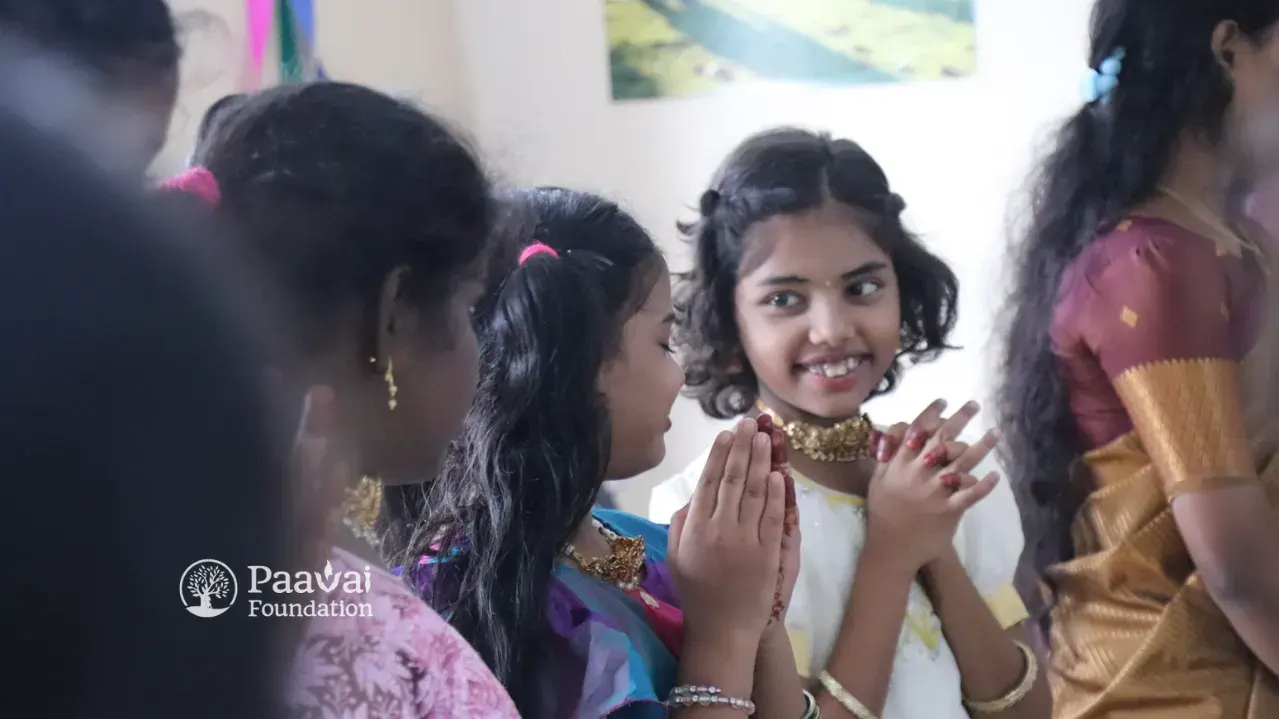
When someone searches for an orphanage near me, they are usually looking for more than an address.
A parent may be trying to find a safe place for a child facing difficult circumstances. A family member may be looking for support. A donor may want to contribute to an organisation that genuinely cares for vulnerable children. Someone else may simply want to volunteer and make a meaningful difference in their neighbourhood.
But how do you know which organisation you can trust?
In India, several organisations use terms such as orphanage, children's home, child care centre, shelter home and child welfare institution. While these names may sound similar, they do not necessarily refer to the same type of facility.
Some organisations provide residential care. Others focus on education, nutrition, healthcare, family support or rehabilitation. Some institutions operate under the Juvenile Justice (Care and Protection of Children) Act, 2015, which establishes specific registration and child-protection requirements.
Choosing a children's home should never be based on photographs, social media posts or a convenient location alone.
It requires understanding the organisation, checking its credentials, evaluating its approach to child safety and learning how it supports children beyond their immediate needs.
This guide explains what to look for when searching for an orphanage near you, how to identify a registered Children's Home in India and how to support organisations working towards better childhoods.
Why People Search for an Orphanage Near Me
The reasons behind this search can be very different.
Some people want to support children who do not have adequate family care. Others are looking for opportunities to donate food, educational materials, clothing or financial assistance.
There are also individuals who want to volunteer, celebrate special occasions with children or understand how local child welfare organisations work.
Common searches include:
Orphanage near me
NGOs near me
Foundation near me
Children's home near me
Registered orphanage near me
Child care home near me
NGO for underprivileged children
Children's shelter near me
Although these searches share a local intention, they represent different needs.
For example, someone searching for an NGO may be interested in education or healthcare programmes rather than residential care. Someone looking for a children's home may specifically want to understand whether an institution provides accommodation and protection.
Before choosing an organisation, identify what kind of support you are actually looking for.
Orphanage, Children's Home and Child Care Institution: Understanding the Difference
The word orphanage is commonly used in everyday conversations to describe residential facilities supporting vulnerable children.
However, not every child living in a residential care facility is an orphan.
Some children may have been abandoned or surrendered. Others may be separated from their families, experiencing neglect, facing unsafe circumstances or requiring protection for other reasons.
Under India's Juvenile Justice (Care and Protection of Children) Act, 2015, a Children's Home is a recognised category of Child Care Institution.
The Ministry of Women and Child Development explains that Children's Homes provide care, treatment, education, training, development and rehabilitation to children in need of care and protection.
Mission Vatsalya supports these institutions as part of India's broader child-protection framework.
This distinction matters because an organisation describing itself as an orphanage is not automatically a registered Children's Home under the law.
If you are searching for a registered children's home near me, ask the organisation what category it is registered under and which authority issued its registration.
How to Find a Registered Children's Home Near You
Finding an organisation online is relatively easy. Establishing whether it is suitable and trustworthy requires more attention.
Here are seven important things to check.
1. Verify the Organisation's Registration
Registration should be one of your first checks when evaluating a residential child-care institution.
Section 41 of the Juvenile Justice Act, 2015 requires institutions housing children in need of care and protection, whether government-run or operated by voluntary organisations, to be registered under the Act.
The registration process also identifies the institution's purpose and approved capacity.
Ask the organisation for:
Its registered legal entity name.
Child Care Institution registration certificate, where applicable.
Registration category.
Approved residential capacity.
Validity and renewal details.
Issuing government authority.
Do not assume that an NGO registration certificate, trust deed or society registration automatically establishes that its residential children's facility is registered under the Juvenile Justice Act.
These are different forms of documentation.
You can read the Juvenile Justice Act, 2015 on India Code to understand the legal framework.
2. Understand the Organisation's Child Protection Policies
A children's home carries a responsibility that goes far beyond providing accommodation.
Children must be protected from abuse, neglect, exploitation, discrimination and inappropriate behaviour.
A responsible organisation should have clear child safeguarding procedures.
Look for:
Staff recruitment and background verification.
Child protection policies.
Codes of conduct for employees and volunteers.
Safe visitor management.
Complaint and reporting mechanisms.
Appropriate supervision.
Confidential handling of children's records.
Procedures for responding to emergencies.
Ask how the organisation responds when a child reports feeling unsafe.
The answer should demonstrate that child protection is part of everyday operations, not simply a document prepared for inspection.
3. Look Beyond Accommodation and Facilities
A good residential care environment should support a child's overall development.
Clean rooms, adequate sanitation and safe sleeping arrangements are important. However, they are not enough on their own.
Look at the wider environment.
Does the organisation provide access to education?
Are healthcare needs monitored?
Is nutritious food available?
Are children encouraged to participate in sports and creative activities?
Is emotional support available when needed?

A child's development depends on several connected factors. Residential care should address these needs rather than treating shelter as the final objective.
4. Understand How Education Is Supported
Education is one of the most important aspects of long-term child development.
Children living in residential care should have appropriate opportunities to continue their education and develop their abilities.
When evaluating a children's home, ask:
How are children connected with schools?
Is academic support available?
Are learning difficulties identified?
Do children receive access to digital learning?
Are their educational interests encouraged?
Is there guidance for higher education or future careers?
An organisation that considers education part of its long-term responsibility is looking beyond immediate shelter.
5. Check Healthcare and Emotional Well-being
Children may arrive in care with different health, nutritional and emotional needs.
Some may require regular medical attention. Others may need counselling, therapy, rehabilitation or additional developmental support.
A responsible organisation should understand that every child has individual needs.
Ask about medical monitoring, emergency healthcare arrangements, nutrition, hygiene and access to qualified professionals.
For children with disabilities, also understand whether the organisation can provide or arrange suitable specialised support.
6. Visit the Facility Responsibly
A physical visit can help you understand how an organisation operates.
However, visits should always be arranged with the organisation's permission and follow its child safeguarding rules.
During a visit, observe:
Cleanliness and general maintenance.
Safety of the premises.
Availability of basic facilities.
Staff conduct and interactions.
Children's access to education and recreation.
Respect for children's privacy.
The organisation's willingness to answer reasonable questions.
Avoid entering restricted areas, taking photographs without authorisation or asking children personal questions about their family circumstances.
A responsible visit should never make a child feel like an exhibit.
7. Understand Financial Transparency
If you are planning to donate, understand how the organisation uses contributions.
Ask whether it can explain its programme requirements, donation channels and financial reporting practices.
You may also review available annual reports, audited financial statements and relevant statutory documents.
For donations intended to support a particular programme, ask whether the contribution can be directed towards that purpose and how its use is communicated.
Trust develops when organisations are willing to explain their work openly.
What Should a Good Children's Home Provide?
A children's home should be evaluated through the quality of care it makes possible, not simply the number of children it accommodates.
India's Mission Vatsalya framework recognises several important dimensions of institutional care and rehabilitation.
These include:
Protection and safe accommodation: Children need a secure environment with appropriate supervision and safeguards.
Food and nutrition: Regular, nutritious meals are essential for healthy growth.
Education: Children need access to continuous learning and educational opportunities.
Healthcare: Medical attention, preventive care and appropriate treatment should be accessible.
Mental health and counselling: Emotional well-being deserves the same attention as physical health.
Recreation and development: Sports, cultural activities, creative opportunities and social participation contribute to a balanced childhood.
Life skills and rehabilitation: Children need opportunities to develop confidence, practical skills and independence.
The Ministry's Mission Vatsalya programme explains the government's approach to institutional and non-institutional care.
The important principle is that children require individualised support, dignity and opportunities to develop.
Does Every Vulnerable Child Need an Orphanage?
No.
This is one of the most important things to understand about modern child welfare.
A child experiencing difficult family circumstances does not automatically need residential placement.
Sometimes the most appropriate solution is to strengthen the family so that the child can safely remain at home.
In other situations, sponsorship, foster care, adoption or after-care may be appropriate, depending on the child's circumstances and the applicable legal process.
The Juvenile Justice framework recognises these different forms of care.
Institutional care should be considered within the child's wider protection and rehabilitation plan.
This is why choosing an organisation should involve understanding its approach to children, families and long-term well-being.
The objective should always be to identify the safest and most appropriate support for each child.
How to Support a Children's Home Near You
You do not have to make a large financial contribution to support child welfare.
There are several responsible ways to participate.
Donate Essential Supplies
You can ask the organisation whether it currently needs educational materials, hygiene products, clothing, nutritious food or other essential supplies.
Always confirm requirements before purchasing items.
Support Children's Education
Books, stationery, learning resources, digital access and structured educational support can contribute to children's learning opportunities.
Volunteer Your Skills
Teachers, healthcare professionals, artists, sports coaches and other professionals may be able to contribute through approved volunteer programmes.
Volunteering should always follow the organisation's safeguarding requirements.
Celebrate Special Occasions Responsibly
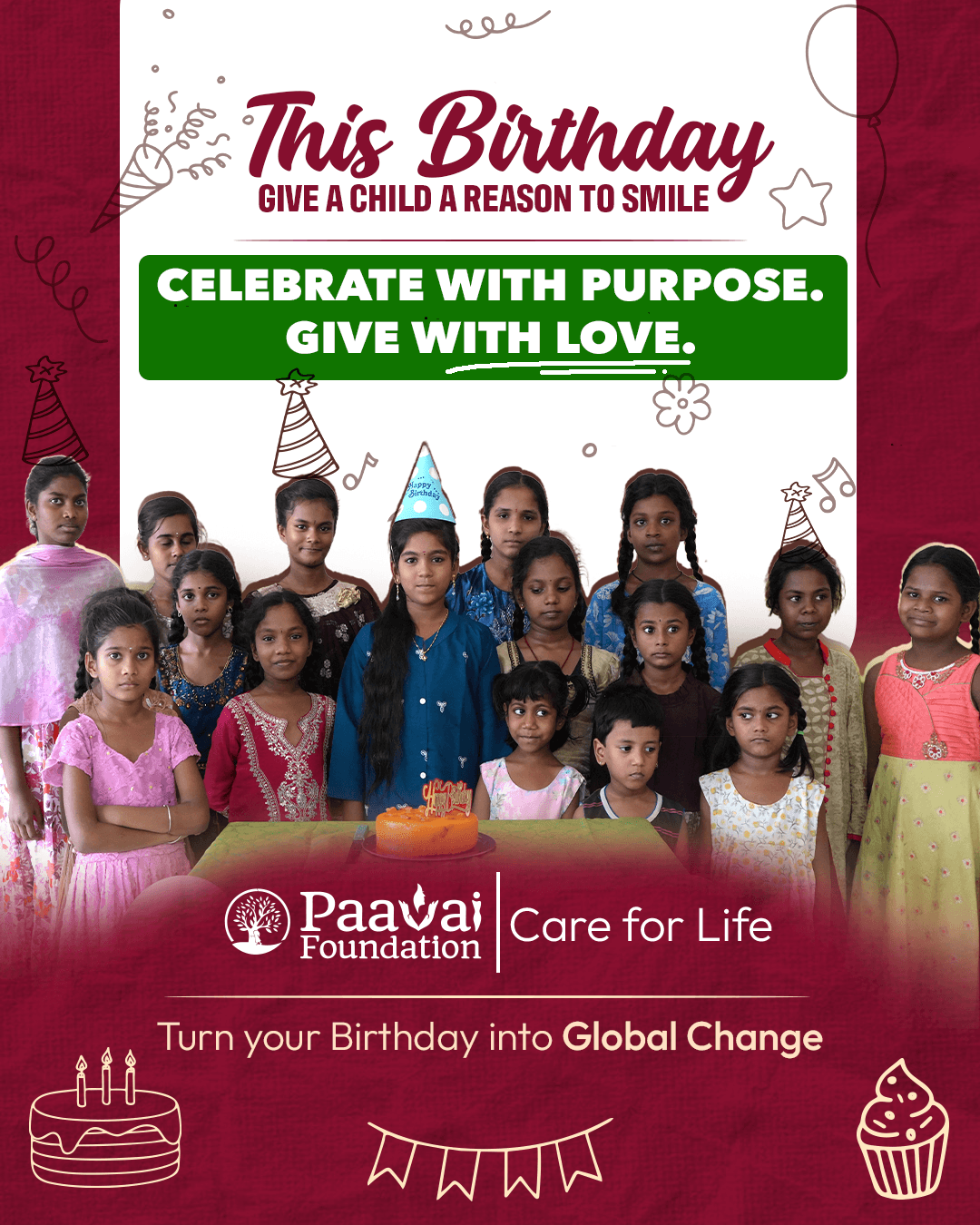
Birthdays, festivals and family celebrations can become opportunities to support community welfare.
Instead of focusing only on distributing gifts, consider supporting educational activities, essential supplies or an organised community programme.
Encourage Corporate Participation
Companies can support child welfare through structured CSR programmes, educational initiatives, healthcare support, infrastructure and other eligible social development activities.
A responsible partnership should have clear objectives, appropriate implementation arrangements and transparent reporting.
How Paavai Foundation Approaches Child and Community Care
When searching for a trustworthy foundation near me, it is worth looking beyond a single programme or activity.
An organisation's wider approach can tell you how it understands the needs of children and the communities around them.
Paavai Foundation is an Integrated Child Development Foundation working across child care, education, healthcare, nutrition, disability inclusion, girl-child empowerment and community development.
Its guiding philosophy is Care for Life.
The Foundation's approach recognises that children's needs are interconnected. Safety, education, healthcare, emotional well-being and opportunities for development all contribute to a child's future.
Paavai Abhayam: Protection, Care and Dignity
Paavai Abhayam is a child protection and care initiative focused on supporting vulnerable children.
Its programme areas include:
Safe and supportive living environments.
Nutritious food.
Timely medical care and health monitoring.
Personal hygiene and dignity.
Emotional care and counselling.
Resilience-building opportunities.
The objective is to create a more stable environment in which children can feel protected and supported.
Paavai Gurukul: Education and Empowerment
Education is central to a child's ability to build an independent future.
Paavai Gurukul focuses on continuous education, academic support, mentoring, digital learning, inclusive education and confidence-building.
Its approach recognises that education is not simply about completing schoolwork. It is also about helping children develop their abilities and aspirations.
Paavai ID Care: Supporting Children with Intellectual Disabilities
Children with intellectual disabilities may require additional support to participate, learn and develop independence.
Paavai ID Care focuses on areas such as special education, assisted learning, therapy, rehabilitation, healthcare, life skills and emotional well-being.
This reflects an important part of inclusive child development: every child deserves care that recognises their individual abilities and needs.
Paavai Foundation's work also extends into community development across Tamil Nadu, Telangana and Andhra Pradesh, including its stated presence in Tirupati.
To understand its locations and programme presence, explore the Paavai Foundation campuses page.
Looking for an Orphanage Near Me? Start With the Right Questions
A nearby organisation may be convenient, but convenience should never be the only deciding factor.
Before choosing where to donate, volunteer or seek information, ask:
Is the organisation legally registered for the specific activity it undertakes?
Does it have appropriate child safeguarding procedures?
Can it explain its approach to education and healthcare?
Does it respect children's privacy and dignity?
Is it transparent about donations and programme activities?
Does it work towards children's long-term development?
Can it explain how it coordinates with relevant child-protection authorities?
These questions can help you distinguish between an organisation that simply communicates its mission and one that can demonstrate responsible practices.
If you are searching for NGOs near me, remember that the right organisation is not necessarily the closest one. It is the organisation whose work, credentials and approach match the support you want to provide.
Celebrate With Us: Make Your Support Meaningful
Every child deserves opportunities to grow in a safe and supportive environment.
You can be part of that effort by supporting education, healthcare, nutrition, protection and community development.
Whether you want to celebrate a special occasion, contribute essential supplies, volunteer your skills or support a child-focused initiative, start by understanding the needs of the organisation and the children it serves.
Explore the nearest Paavai Foundation campus to learn more about its presence and opportunities to participate.
Celebrate With Us. Support a Life. Help Build a Better Future.
Explore Paavai Campuses | Donate Now
Frequently Asked Questions
How do I find a registered orphanage near me?
Start by searching for children's homes and child care institutions in your area. Verify the institution's registration under the Juvenile Justice Act, 2015 where applicable, check its safeguarding policies and understand its residential services before making a decision.
Is every orphanage registered under the Juvenile Justice Act?
Not necessarily. However, Section 41 requires institutions housing children in need of care and protection or children in conflict with law to be registered under the Act. Ask for the relevant registration documentation rather than relying on the organisation's name.
What is the difference between an orphanage and a Children's Home?
Orphanage is a commonly used general term. A Children's Home is a recognised category of Child Care Institution under the Juvenile Justice Act, 2015, providing care, treatment, education, development and rehabilitation to children in need of care and protection.
Can I visit an orphanage near me?
Many organisations may allow visits with prior permission. Contact the institution first and follow its visitor policies, child safeguarding procedures and privacy requirements.
What can I donate to a children's home?
Depending on the organisation's requirements, you may contribute educational materials, hygiene supplies, clothing, food or financial support. Always ask what is needed before making a donation.
Can I celebrate my birthday at a children's home?
Some organisations may offer opportunities to participate in special occasions through approved programmes. Contact the organisation in advance and follow its child protection and visitor guidelines.
What is Child Helpline 1098 in India?
Child Helpline 1098 is a government-supported service under Mission Vatsalya that connects children in crisis with emergency and longer-term care and rehabilitation services. It operates in coordination with state and district authorities and the emergency response system.
How can I support Paavai Foundation?
You can explore opportunities to support Paavai Foundation through donations, volunteering, educational support, CSR partnerships and community participation. Visit the official website or explore its campus information to learn more.
Comments
Loading comments...
Leave a comment
Your email address will not be published. Only your name is shown with your comment.