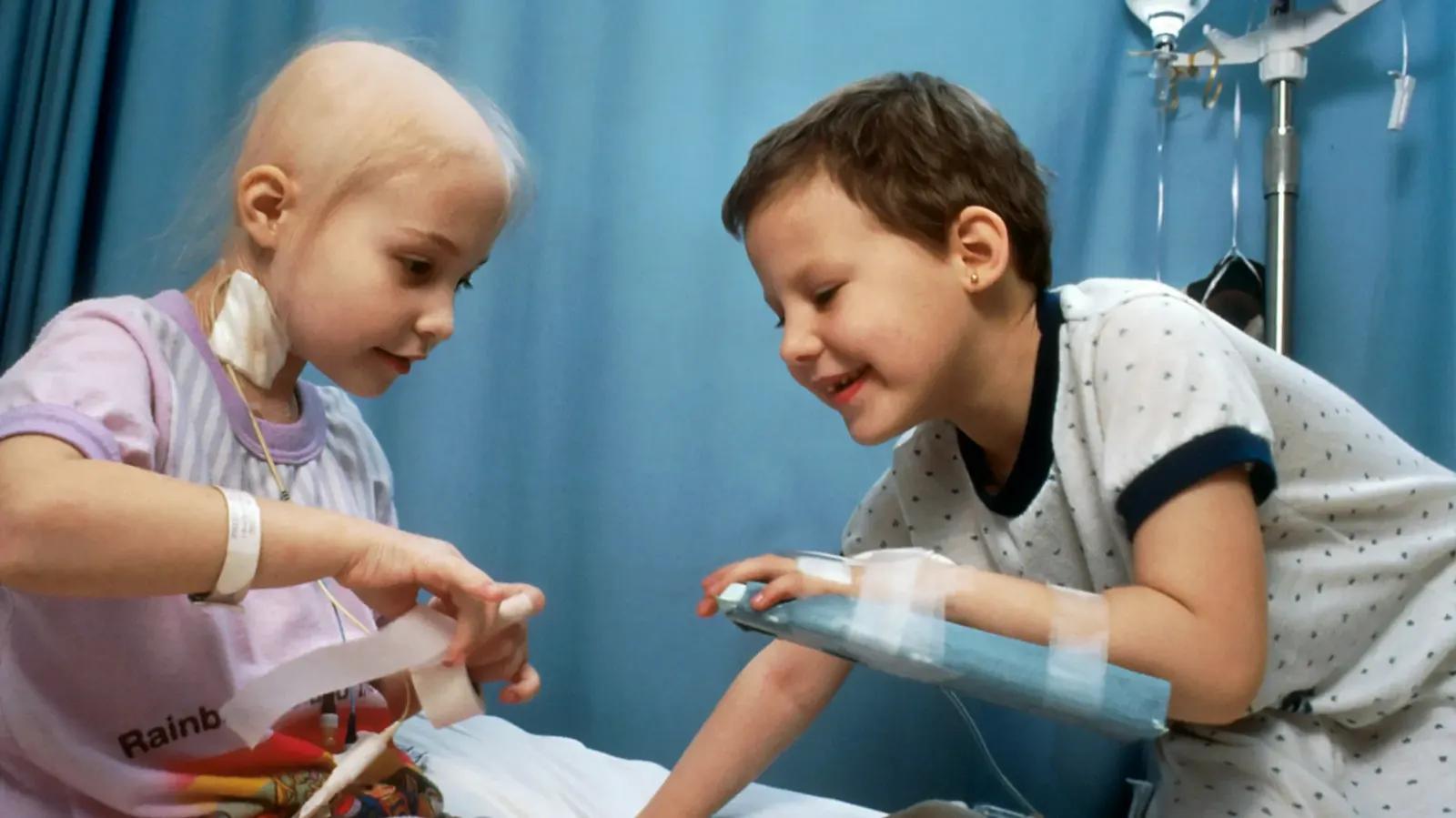
Every child has abilities, aspirations and the potential to grow. What changes from one child to another is the kind of support they may need along the way.
For children with disabilities, access to quality education, healthcare, safe environments and meaningful social participation can make a profound difference in their development. When children receive the right support at the right time, they can build skills, develop confidence, form relationships and participate more fully in family and community life.
Inclusive care begins with understanding that disability does not define a child’s potential.
It means creating environments where children are respected for who they are, supported according to their individual needs and given opportunities to learn, participate and thrive.
For families, schools, communities and organizations working with children, this approach can help create a more inclusive future for everyone.
What Does It Mean for a Child to Thrive?
Child development is about much more than academic achievement.
A child thrives when they have opportunities to develop physically, emotionally, socially and intellectually in a safe and supportive environment.
For children with disabilities, this may require additional support, adaptations or specialized services.
Depending on the individual child, support may include:
Inclusive education
Healthcare and developmental support
Communication assistance
Life-skills development
Emotional and social support
Accessible learning environments
Family guidance
Opportunities for recreation and social participation
Assistive devices or technologies where appropriate
The purpose of such support is to help children participate meaningfully in everyday life while developing their abilities and independence.
Why Inclusive Care Matters
Care for children with disabilities should look at the whole child.
A child’s physical health, education, emotional well-being, relationships and environment are all connected.
For example, access to education can help develop knowledge and skills. Positive social interaction can strengthen confidence. Healthcare can support physical well-being. Family involvement can provide security and encouragement.
Also Read: Top 10 Child NGOs Working for Children in India
When these forms of support work together, children can have a stronger foundation for development.
This is why inclusive care is about more than meeting basic needs.
It is about creating opportunities.
Education Can Open Doors
Education gives children the opportunity to learn, explore their interests and prepare for greater independence.
For children with disabilities, inclusive education can create opportunities to learn alongside their peers while receiving appropriate support for their individual needs.
An inclusive classroom can encourage children to:
Learn.
Communicate.
Ask questions.
Build friendships.
Express themselves.
Develop confidence.
Discover their strengths.
Inclusion does not mean that every child learns in exactly the same way.
It means that learning environments are designed to recognize different abilities and reduce unnecessary barriers to participation.
Inclusive Education Goes Beyond the Classroom
True inclusion is not achieved simply by enrolling a child in school.
Children also need to feel that they belong.
An inclusive educational environment can encourage participation in classroom activities, sports, arts, cultural programmes, celebrations and social interactions.
Teachers and school communities can help by adapting learning approaches, encouraging peer interaction and ensuring that children are treated with dignity.
When children learn together, they also learn about one another.
They develop empathy, understanding and respect for differences.
These are values that extend far beyond the classroom.
Every Child Learns Differently
Children develop at different rates and have different strengths.
For children with disabilities, individual learning needs may vary considerably.
Some children may require additional communication support. Others may benefit from adapted teaching methods, structured routines, assistive technology or specialized developmental services.
Recognizing these differences allows caregivers and educators to focus on the child’s abilities and identify ways to support further development.
The question should not simply be:
“What can this child do?”
It should also be:
“What support can help this child do more?”
That shift can change the way we approach inclusion.
The Role of Early Support
The early years of childhood are an important period for development.
When developmental concerns are identified, families can seek appropriate guidance from qualified healthcare, education and developmental professionals.
Early support can help children work on areas such as:
Communication
Movement
Learning
Social interaction
Self-care
Emotional development
Everyday life skills
Every child’s developmental journey is different. The type and intensity of support should therefore be based on individual needs and professional guidance.
What matters is ensuring that children and families are able to access appropriate support without unnecessary delay.
Family: The First Circle of Care
Families play a central role in the lives of children with disabilities.
Parents and caregivers often understand a child’s preferences, strengths, communication patterns and daily needs better than anyone else.
A supportive family environment can encourage children to:
Try new activities
Develop independence
Communicate their needs
Build confidence
Participate in household routines
Develop everyday skills
Parents and caregivers may need information, guidance, emotional encouragement and access to community resources.
Supporting a child therefore also means supporting the people who care for that child every day.
Building Independence Through Everyday Skills
One of the most meaningful outcomes of inclusive care is greater independence.
Depending on a child’s abilities and developmental needs, everyday skills can include eating, dressing, communication, personal hygiene, following routines, making choices and interacting with others.
These may appear to be small achievements.
For a child and family, they can represent significant milestones.
Developing independence can strengthen confidence and give children greater participation in everyday life.
The role of caregivers is to provide appropriate support while creating opportunities for children to do what they can independently.
Social Inclusion Is Just as Important
Children need friendships, play and opportunities to connect with others.
Social isolation can limit a child’s opportunities to develop communication and social skills.
Inclusive communities can create opportunities for children with disabilities to participate in:
Games and sports
Arts and creative activities
Cultural programmes
Celebrations
Group activities
Community events
Educational activities
When children are included in everyday experiences, they develop a stronger sense of belonging.
And when communities see children with disabilities participating actively, perceptions about disability can begin to change.
Creating Communities Where Every Child Belongs
Inclusion should extend beyond homes and schools.
Communities also need to become more accessible and welcoming.
This can involve creating accessible physical spaces, improving awareness, encouraging inclusive activities and ensuring that children with disabilities can participate in community life.
Sometimes the greatest obstacles are created by the environment rather than by the disability itself.
A lack of accessibility can prevent participation.
A lack of awareness can create misunderstanding.
Negative attitudes can create exclusion.
Changing these barriers requires collective responsibility.
Changing the Conversation Around Disability
The way society talks about disability matters.
Children with disabilities should be recognized for their abilities, personalities and potential, rather than being defined only by their challenges.
Instead of focusing on limitations, communities can focus on possibilities.
Instead of asking why a child is different, we can ask how we can make the environment more inclusive.
Instead of seeing support as charity, we can recognize it as part of building a society where every child has the opportunity to participate.
This change in perspective is essential for meaningful inclusion.
The Role of NGOs in Supporting Children with Disabilities
NGOs can help connect children and families with services, opportunities and Community Health and Welfare support.
Depending on their programmes and expertise, organizations working for children with disabilities may contribute through:
Inclusive education
Child care
Healthcare
Rehabilitation and developmental support
Skill development
Nutrition
Family support
Awareness programmes
Community inclusion
Life-skills development
The strongest approaches place the child’s dignity and individual needs at the centre of care.
Paavai Foundation’s Commitment to Inclusive Care
At Paavai Foundation, our philosophy is simple:
Care for Life.
We believe every child deserves care, dignity, protection and opportunities to develop.
Our commitment to children with disabilities is reflected through Paavai ID Care, an initiative focused on supporting children with intellectual disabilities and promoting an environment of care, inclusion and development.
Through our work, we seek to create spaces where children can participate in everyday activities, develop life skills, receive appropriate care and experience meaningful relationships.
Our approach recognizes that every child is different.
Therefore, care must be compassionate, individualized and inclusive.
Paavai ID Care: From Care to Participation
For children with intellectual disabilities, meaningful care extends beyond meeting basic needs.
Children need opportunities to communicate, interact, learn, play and develop appropriate life skills.
Paavai ID Care is built around this broader understanding of child development.
The initiative seeks to create supportive environments where children can experience care while being encouraged to participate according to their individual abilities.
The emphasis is on dignity, development, inclusion and belonging.
Connecting Care, Education and Health
Children’s needs are interconnected.
A child may require healthcare support to participate comfortably in daily activities.
They may need educational opportunities to develop knowledge and skills.
They may need nutritional support to maintain well-being.
They may need family and community support to build confidence.
This is why Paavai Foundation’s wider work spans multiple areas, including:
Child Care
Education
Healthcare
Nutrition
Disability Inclusion
Girl Child Development
Community Development
Through initiatives such as Paavai Gurukul, Paavai Arogya, Nutri Heal, Paavai Abhayam and Paavai ID Care, the Foundation works towards creating a broader ecosystem of care and development.
Building Inclusion Across Communities
Inclusion becomes meaningful when it reaches communities.
Paavai Foundation has undertaken community development activities across 20+ districts in Tamil Nadu, while expanding its presence across Andhra Pradesh and Telangana.
This community-oriented approach helps connect child-focused programmes with the wider social environment in which children live and grow.
For children with disabilities, stronger communities can mean greater access to awareness, support, participation and opportunities.
How Individuals Can Support Inclusive Childhoods
Everyone can contribute to creating a more inclusive environment.
You can make a difference by:
Treating children with disabilities with dignity and respect
Encouraging inclusive education
Supporting organizations working for disability inclusion
Volunteering your skills or time
Encouraging inclusive play and activities
Promoting awareness within your community
Supporting families and caregivers
Helping create accessible environments
Challenging stereotypes and discrimination
Inclusion is built through everyday actions.
How Companies Can Support Children with Disabilities
Businesses can also play an important role through CSR partnerships and employee engagement.
Companies can support initiatives focused on:
Inclusive education
Healthcare
Life-skills development
Assistive support
Accessible infrastructure
Community awareness
Family support
Disability inclusion
Corporate partnerships can bring together resources, expertise and community-level implementation to create sustainable social impact.
Every Child Has a Future Worth Supporting
The journey of every child is different.
Some children may reach milestones quickly.
Others may take more time.
Some may communicate through words.
Others may communicate in different ways.
Some may require significant support throughout their lives.
But every child deserves to be seen beyond their disability.
They deserve people who recognize their strengths.
They deserve opportunities to learn.
They deserve relationships and friendships.
They deserve care that respects their dignity.
And they deserve a community that believes they belong.
Building a More Inclusive Future
A truly inclusive society is one where children with disabilities are part of everyday life.
They learn alongside others.
They participate in community activities.
They develop skills.
They build relationships.
They contribute according to their abilities.
And they grow up knowing that they matter.
At Paavai Foundation, we believe that inclusive care and education can help create these possibilities.
Through Paavai ID Care and our wider child and community development initiatives, we continue working towards environments where children can learn, grow, participate and thrive.
Because every child has potential.
Every child deserves opportunity.
And every child deserves to belong.
Every Child Can Thrive.
Paavai Foundation — Care for Life.
FAQs
What does inclusive care mean for children with disabilities?
Inclusive care means creating supportive environments where children with disabilities can access appropriate care, education, social interaction and developmental opportunities while being treated with dignity and respect.
Why is inclusive education important?
Inclusive education gives children opportunities to learn and participate alongside their peers while receiving appropriate support based on their individual needs. It can also help create greater understanding and acceptance among all children.
How can families support children with disabilities?
Families can encourage communication, independence and social participation while working with qualified professionals, educators and healthcare providers to understand the child’s individual needs.
What is the role of NGOs in disability inclusion?
NGOs can contribute through child care, inclusive education, healthcare, developmental support, skill development, family support, awareness and community-based inclusion programmes.
What is Paavai ID Care?
Paavai ID Care is a Paavai Foundation initiative focused on care and inclusion for children with intellectual disabilities, with an emphasis on dignity, participation and development.
How can I support children with disabilities?
You can support children through volunteering, donations, community awareness, inclusive activities, professional skills and by supporting organizations working towards disability inclusion.