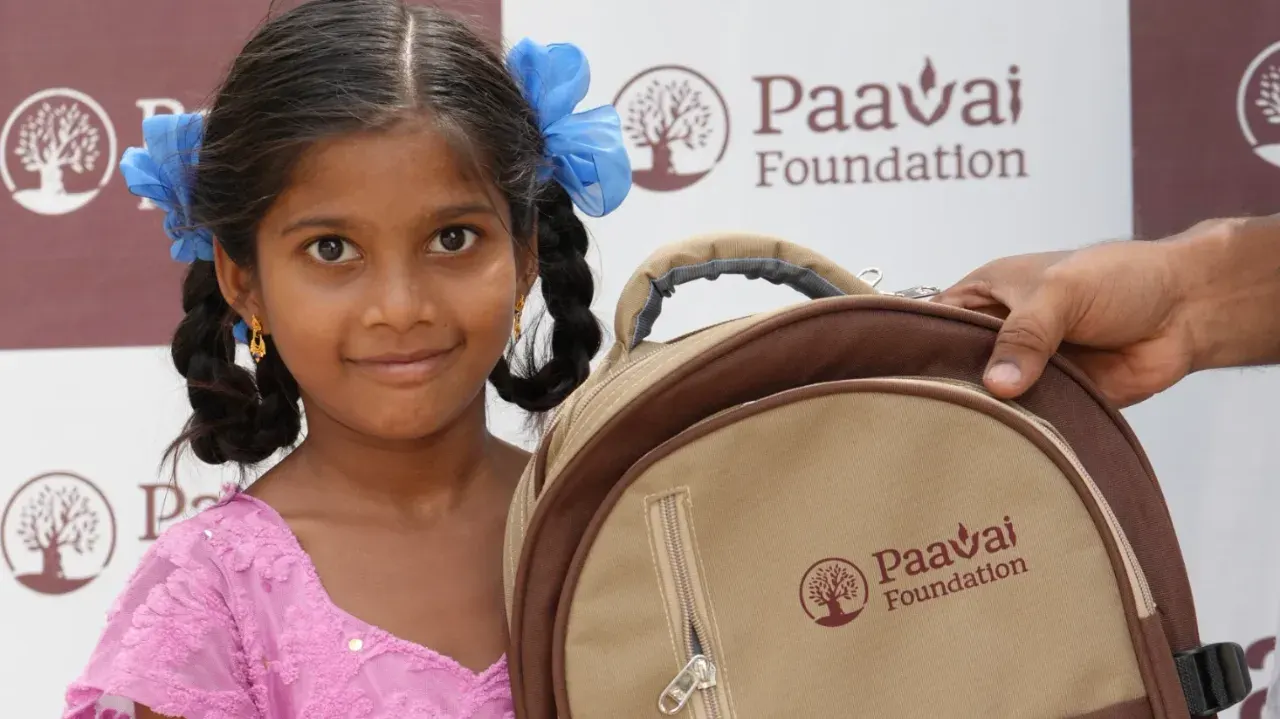
If you've searched "Paavai Foundation real or fake", you're asking exactly the right question.
Before giving money to any organisation, it makes sense to check that it's what it says it is. That isn't cynicism. It's care. Donation fraud happens in India. Fake fundraising calls, cloned websites, social media pages that copy a real charity's photographs, and individuals collecting cash in an organisation's name all exist. Every genuine NGO is harmed when donors are fooled by fake ones, and every donor deserves to know their gift will reach the people it was meant for.
So this article does two things. First, it gives you a practical method for checking whether any NGO in India is genuine: its registration, its tax status, its reports, its reviews, and the safety of the payment you're about to make. Second, it shows you exactly where to find that evidence for Paavai Foundation, so you can check us for yourself rather than taking our word for it.
That's the standard we'd want you to apply to anyone.
Why people ask whether an NGO is real
People usually search for "real or fake" because something has prompted the question. A few common reasons:
An unexpected call or message asking for a donation, often with urgency
A social media advertisement or post from an account they don't recognise
A person collecting money at a door, a signal or a temple
A website that looks unfamiliar, or a payment link received on WhatsApp
Simply never having heard of the organisation before
All of these are good reasons to pause and check. A genuine organisation will never mind you doing so.
The difference between "genuine" and "good"
It helps to separate two questions.
Is this organisation genuine? That means: does it legally exist, is it registered, does it file accounts, and is the money actually going to it rather than to someone pretending to be it?
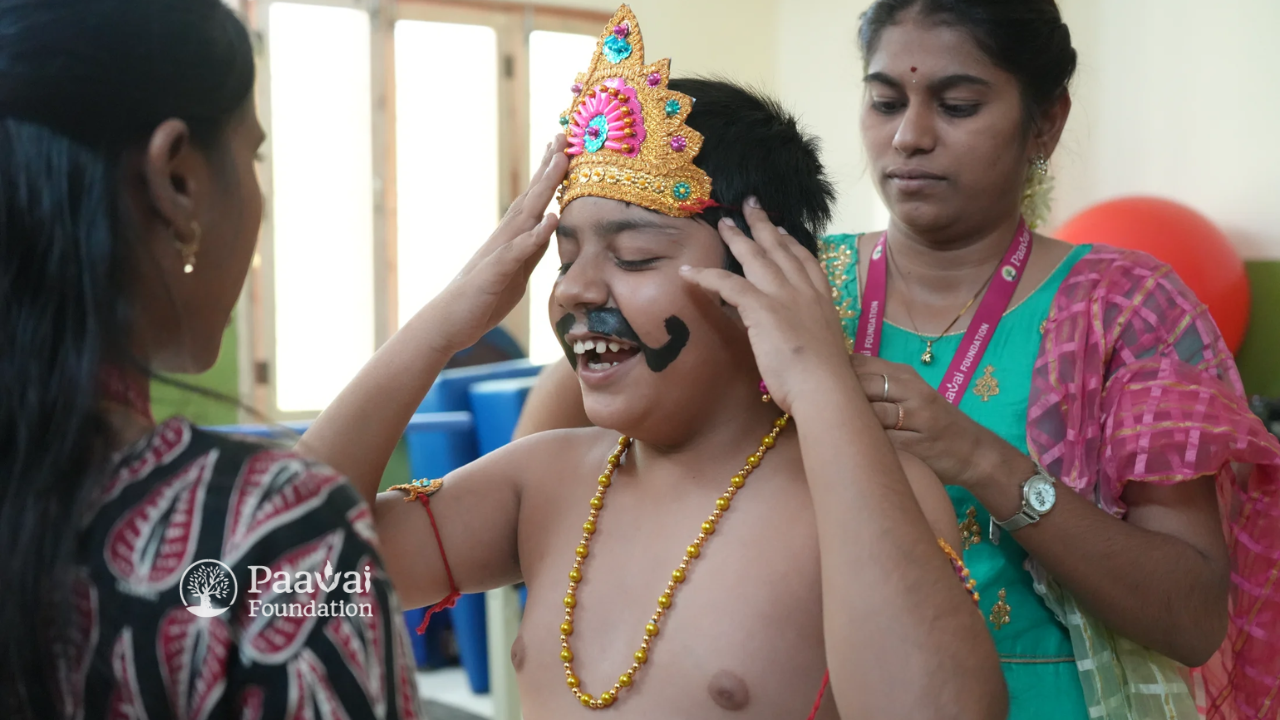
Is this organisation good at what it does? That means: does it work with children over the long term, measure real outcomes, protect children's safety, and use money well?
This article focuses mainly on the first question, because it comes first. A detailed guide to the second, including nine questions to ask about how an organisation actually works, is in How Do You Choose a Trustworthy NGO in India? Nine Questions to Ask Before You Give.
Step 1: Check the registration
Every legitimate NGO in India is registered as one of three main types of legal entity:
a trust, registered under the relevant state's trust law or the Indian Trusts Act
a society, registered under the Societies Registration Act or a state equivalent
a Section 8 company, registered under the Companies Act, 2013
A genuine organisation will tell you which kind it is, its registered name, its registration number and the year it was registered. If an organisation can't or won't give you this information, stop there.
How to check it yourself:
The quickest first check is the government's NGO Darpan portal, maintained by NITI Aayog. Many NGOs are registered there, and you can search by name. NGO Darpan registration is also required for organisations seeking certain government grants.
Two points to keep in mind. First, the name on the portal should match the name on the organisation's website and receipts exactly, or very closely. Watch for look-alike names. Second, not every genuine organisation is listed on NGO Darpan, especially very small ones. If you can't find one there, ask the organisation for its registration certificate rather than assuming it's fake.
For Section 8 companies, details can also be checked through the Ministry of Corporate Affairs.
Step 2: Check the tax registrations
Three tax-related registrations matter, and they mean different things.
12A (or 12AB) relates to the organisation's own income tax exemption. It shows the Income Tax Department has recognised the organisation as charitable.
80G is what allows your donation to qualify for a tax deduction. If an organisation says your donation is tax-deductible, it should have valid 80G approval. Note that approvals now carry a validity period and are renewed, so check that it's current.
FCRA registration allows an organisation to receive donations from foreign sources. It matters mainly to organisations receiving foreign contributions, and the rules about who counts as a foreign source are specific. If you live abroad, ask the organisation how it can accept your contribution.
How to check: ask the organisation for its 12A/12AB and 80G approval details, including the registration number and validity dates. You can confirm 80G status through the Income Tax Department. Your donation receipt should also show the organisation's name, address, PAN and 80G registration details.
A helpful sign: organisations with 80G approval are now required to report donations to the Income Tax Department and issue donors a certificate, so the deduction appears in the donor's records.

If you ask about this and the organisation seems unaware of it, that's worth noting. How 80G works, including what to keep for your records, is explained in Section 80G Explained: How Donations to NGOs Can Help You Save Tax in India.
Step 3: Check the reports
A registered organisation keeps audited accounts. A transparent one publishes them, or shares them on request.
Look for:
Annual reports describing what the organisation did during the year
Audited financial statements, signed by a named chartered accountant or firm
Consistency: do the annual report, the website and the accounts tell broadly the same story?
Specifics: named programmes, locations and activities rather than only general statements
You don't need to be an accountant to read these. You're mostly checking that they exist, that they've been audited by someone with a name, and that they make sense.
Be cautious about very large, round impact numbers with no explanation. "Ten lakh lives touched" tells you very little. Genuine organisations can usually explain what a figure means and how it was counted.
Step 4: Check the physical presence
Fake NGOs often exist only online. Genuine ones have real addresses where real work happens.
Check:
a registered address on the website, receipts and registration documents
programme locations, such as children's homes, centres or project districts
working contact details: a landline or mobile number that's answered, and an official email address
whether the address appears on a map and matches the description
If you live nearby and are seriously considering a significant donation, you can ask to arrange a visit to meet the team. Responsible organisations working with children usually won't allow casual visits with children, for safeguarding reasons, but they will be happy to meet a prospective donor.
Step 5: Read reviews carefully
Online reviews can help, but they need careful reading.
Look for specifics. Reviews that mention a particular programme, place, event or experience are usually more reliable than vague praise or vague complaints.
Look at patterns, not single reviews. One negative review isn't evidence of fraud. A pattern of similar complaints may be worth asking about.
Check whether the organisation responds. A thoughtful reply to criticism is a good sign.
Be wary at both extremes. Many glowing reviews posted at the same time can be as unreliable as a burst of hostile ones.
Look beyond star ratings. Media coverage, government or institutional partnerships, and recognition from credible bodies add useful context, but check that they're real.
Remember that reviews tell you about people's experiences. Registration, tax approvals and audited accounts tell you about legal reality. Use both.
Step 6: Make sure your payment is safe
Even a genuine organisation can be impersonated. Before you pay:
Donate only through the organisation's official website, its official bank account, or a payment page linked from its official website.
Check that the UPI ID or bank account is in the organisation's name, not an individual's.
Be careful with links sent on WhatsApp, SMS or social media. Type the official website address yourself instead.
Never share an OTP, PIN or password with anyone claiming to be from a charity.
Don't hand cash to individuals claiming to collect for an organisation unless you've confirmed with the organisation directly that they're authorised, and you receive an official receipt.
Always ask for a receipt.
If you think you've been cheated in an online donation scam, report it promptly through the government's National Cyber Crime Reporting Portal or the cyber crime helpline 1930.
Red flags to watch for
None of these alone proves an organisation is fake, but each one is a reason to slow down.
pressure to donate immediately, especially by phone
requests to pay into a personal bank account or personal UPI ID
no registration details, or reluctance to share them
no physical address, or an address that can't be found
refusal to issue a receipt
emotional images of children in distress used aggressively, especially with identifiable faces
impact claims that sound too good to be true
a name that's almost, but not quite, the same as a well-known organisation
newly created social media pages using another organisation's photographs
Is Paavai Foundation real or fake? Checking us yourself
Here's where to find the evidence for Paavai Foundation, so you can apply every step above to us.

Official website and channels
Our only official website is paavaiindia.org. Our official social media accounts are:
Facebook: PaavaifoundationIndia
Instagram: paavai.india
X: Paavai_India
LinkedIn: paavai-india
YouTube: @PaavaiIndia
If you see a page, account or payment link claiming to represent Paavai Foundation that isn't linked from our official website, please don't donate through it. Contact us directly to check.
Registration, certificates and compliance
Our registration and tax certificates are published on our Certificates page. Further compliance information is available on our Legal and Compliance pages, and our CSR policy is published for companies considering a partnership. As our website states, eligible donations qualify for tax benefits under Section 80G of the Income Tax Act, 1961, subject to applicable regulations.
Reports
Our annual reports are published on our website, including reports for 2023–24, 2024–25 and 2025–26, alongside our Transparency Reports page.
Physical presence
Our children's homes are at these addresses:
Tamil Nadu, Trichy: Integrated Children Home, Rice mill stop, No. 55, Ponmalaipatti Road, MGR Nagar, Thirunagar, Kottapattu, Tiruchirappalli 620004
Andhra Pradesh, Tirupati: Integrated Special Children Home, B3, 19-4-395, North, Hathiramji Colony, Bairagi Patteda, Tirupati 517501
Telangana, Hyderabad: Boys Children Home, 3-11-451, 4th Road, Sivaganga Colony, L. B. Nagar, Hyderabad 500074
Our community programmes reach districts across Tamil Nadu, Telangana and Andhra Pradesh.
What we'd ask you to check
Please verify the certificates on our website against the government sources described above. Read our annual reports. Check that any payment page you use is linked from paavaiindia.org. And if anything doesn't match, or you have a question, ask us. A genuine organisation should welcome that.
What a genuine NGO owes its donors
Checking an NGO is the donor's side of trust. The organisation has responsibilities too:
publishing its registration and tax approvals clearly
sharing audited accounts and annual reports
issuing proper receipts and tax documentation
protecting the privacy and dignity of the children it serves
describing its work honestly, without exaggeration
answering questions openly
Trust in the non-profit sector is shared. Every scam makes it harder for genuine organisations to raise funds. Every transparent organisation makes it a little easier for the rest.
Give with confidence
Whoever you choose to support, a few minutes of checking makes your gift safer and more effective. Confirm the registration. Confirm the tax approvals. Read the reports. Make sure you're paying the organisation itself. Then give, and give generously.
If you've checked us and you're comfortable, we'd be grateful for your support.
Care for Life.
FAQs
Is Paavai Foundation real or fake?
Paavai Foundation is an Integrated Child Development Foundation with children's homes in Trichy, Tirupati and Hyderabad. Its certificates, annual reports and transparency reports are published on its official website, paavaiindia.org, so donors can verify its registration and tax approvals themselves.
How can I check if an NGO is genuine in India?
Check its registration (trust, society or Section 8 company), search for it on NGO Darpan, confirm its 12A/12AB and 80G approvals, read its annual reports and audited accounts, confirm its physical address, read reviews carefully, and pay only through official channels.
How do I verify an NGO's 80G registration?
Ask the organisation for its 80G approval number and validity dates, and confirm through the Income Tax Department. Your receipt should show the organisation's name, PAN and 80G details.
Is every genuine NGO listed on NGO Darpan?
Not necessarily. Many are, and it's a useful first check, but some genuine organisations, particularly small ones, may not be listed. If an organisation isn't there, ask for its registration certificate.
What are the signs of a fake NGO?
Pressure to donate quickly, payment requests to personal accounts, no registration details or address, refusal to give receipts, aggressive use of images of children, and names that imitate well-known organisations.
Are online reviews reliable for checking an NGO?
They can help, but read them carefully. Look for specific experiences and patterns rather than single reviews, and check whether the organisation responds. Use reviews alongside registration and financial records, not instead of them.
What should I do if I donated to a fake NGO?
Report it quickly through the National Cyber Crime Reporting Portal or the cyber crime helpline 1930, and inform your bank.
Where can I find Paavai Foundation's annual reports?
On the Annual Reports page of paavaiindia.org, along with its Certificates and Transparency Reports pages.
How do I know a payment link is really from Paavai Foundation?
Donate only through paavaiindia.org or links on that website. If you receive a payment link elsewhere, contact Paavai Foundation directly to check it before paying.
Are donations to Paavai Foundation tax-deductible?
According to its website, eligible donations qualify for tax benefits under Section 80G of the Income Tax Act, 1961, subject to applicable regulations. Keep your receipt.

Comments
Loading comments...
Leave a comment
Your email address will not be published. Only your name is shown with your comment.