Anyone who has taken children to see birds up close knows the moment. A wing opens, a head turns, a call rings out that nobody expected, and suddenly every child is pointing, whispering and asking questions all at once. No lesson plan creates that moment. It simply happens when children are given the chance to be somewhere new.
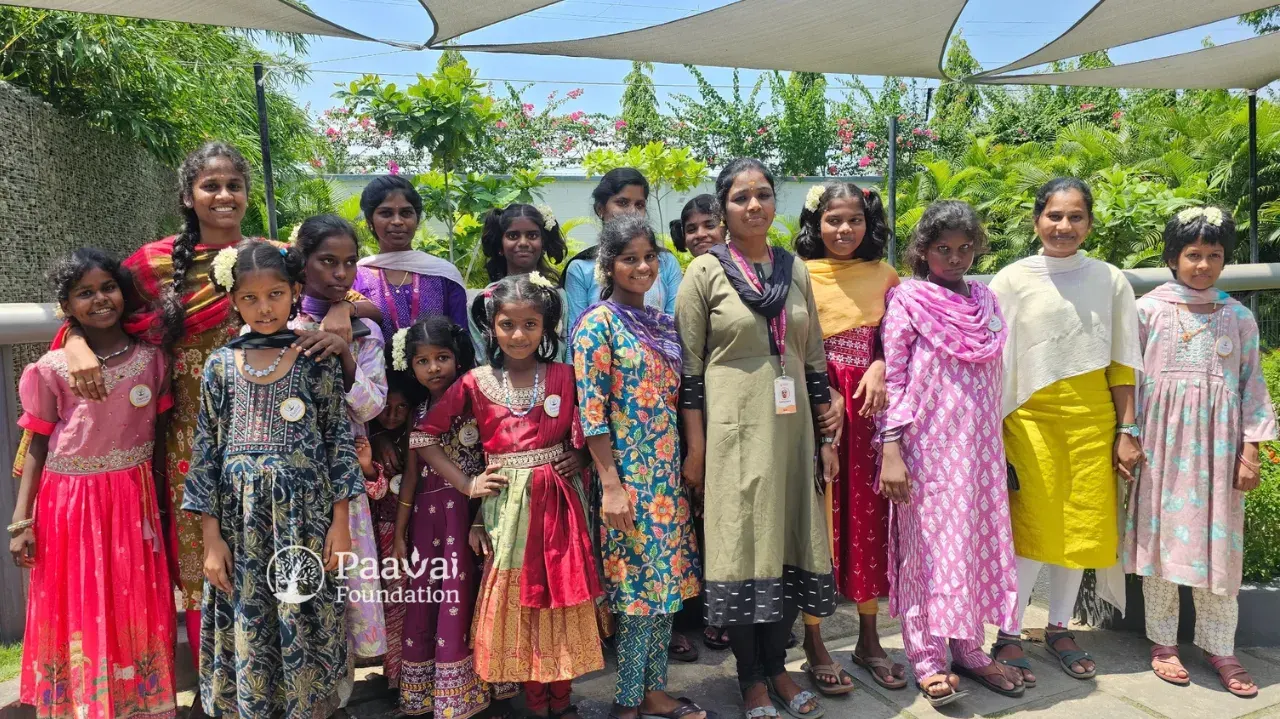
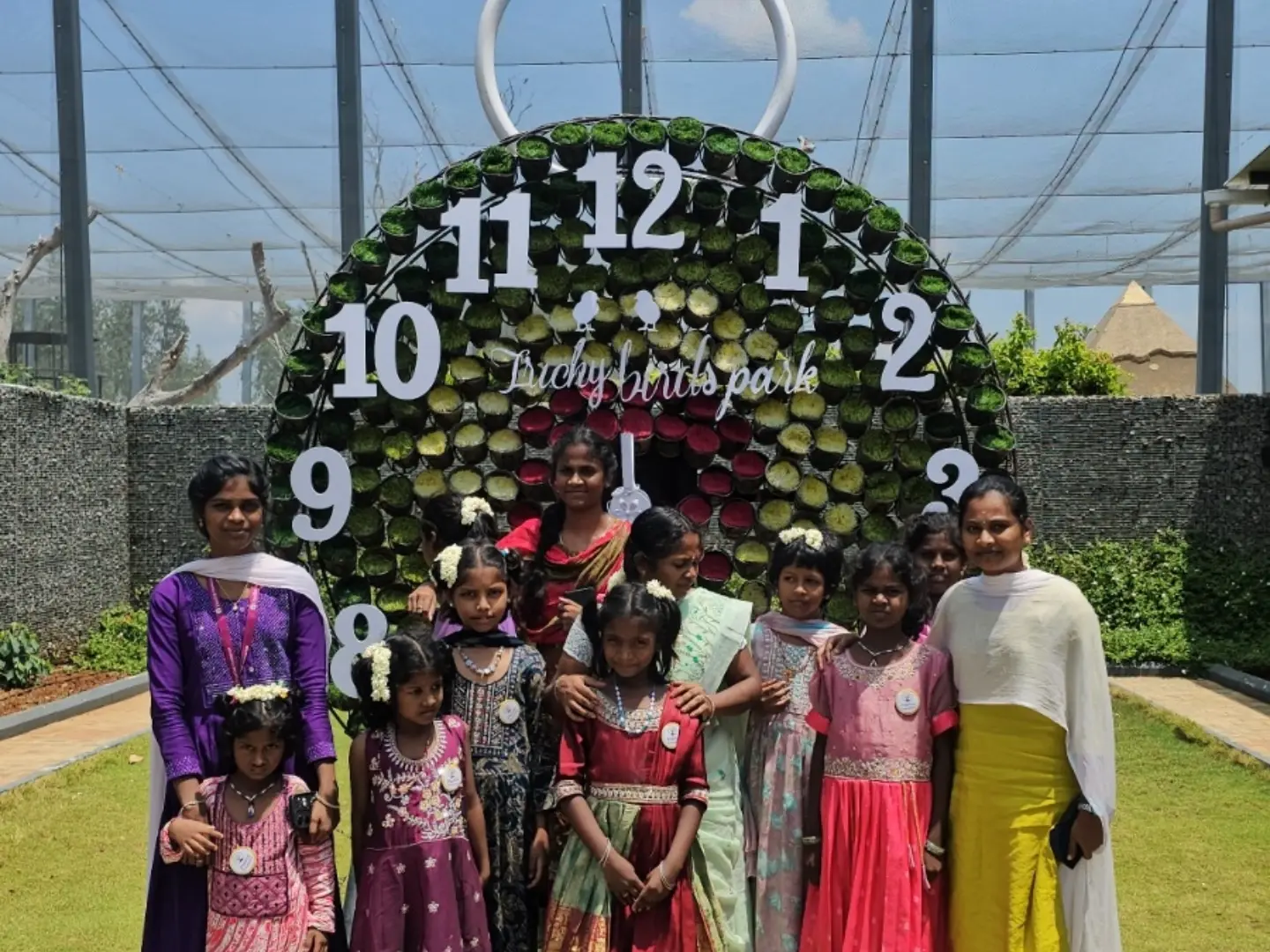
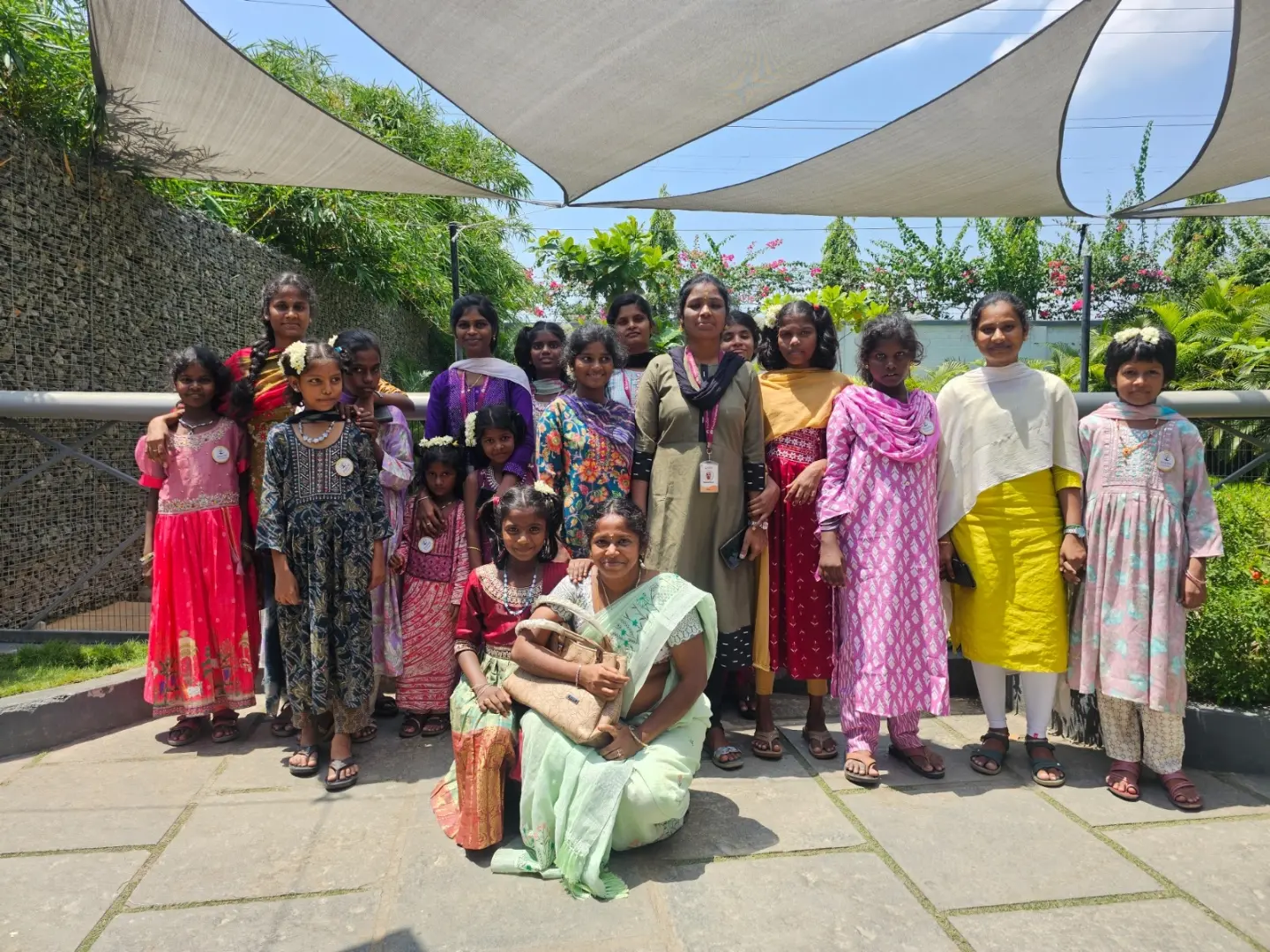
On Saturday, 3 October 2026, the girl children of Paavai Foundation Trichy, had a day full of those moments. They stepped out of their everyday routine for an outing to Birds Park, Trichy, and spent the day exploring, observing, being together and enjoying a change of scenery. Their day matters for a reason bigger than one outing: it shows what care for a child should include.
A Day Out on the Trichy–Karur Road
The park they visited is one of the newer places in the city where families and schools bring children. It sits in the Kambarasampettai area beside the Kudamurutti Bridge, along the main road that links Tiruchirappalli and Karur, and the city corporation lists it among Trichy's attractions as a place suited to nature lovers, children and senior citizens alike.
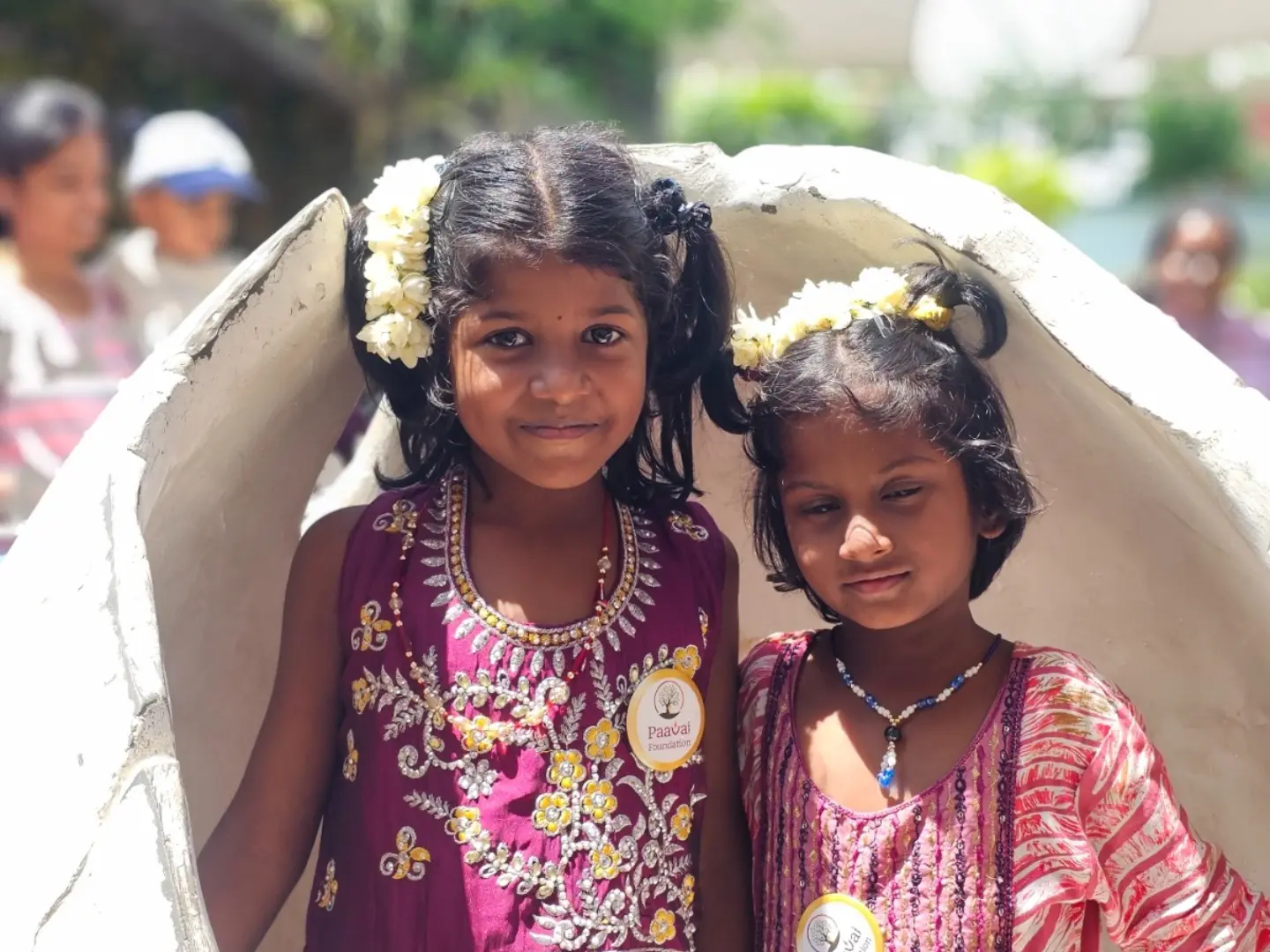
What makes a place like this special for children is variety. Its centrepiece is a large walk-in aviary holding dozens of exotic bird species from around the world, along with an aquarium and a koi pond. For a child, that means colours she has only seen in picture books, sounds she cannot name yet, and creatures that behave in ways no textbook fully explains.
For the girls from Paavai Foundation, Trichy, the day offered something simple and valuable: time to look closely at the world, at their own pace, alongside friends.
Why Joy Is Part of Child Care, Not a Break From It
It is easy to think of child care services as a list of essentials: a safe place to live, nutritious food, healthcare, schooling. These are the foundation, and nothing replaces them. But a childhood made only of essentials is incomplete.
International child rights frameworks recognise this. Article 31 of the UN Convention on the Rights of the Child affirms every child's right to rest, leisure, play and recreational activities appropriate to her age, and to take part freely in cultural and artistic life.
Play and recreation are listed as rights, alongside protection and education, and not as extras to be added when time permits.
For children growing up in care, this matters even more. Many have known instability, and their days often follow structured routines that keep them safe and on track. Routine is important.
So is the experience of leaving it behind for a day, knowing you will return to a place where you belong.
Learning That Happens Through the Eyes
Experiential learning for children works on a simple principle: children understand the world best when they experience it directly. Watching a bird feed, groom or call teaches things about behaviour, habitat and difference that a diagram cannot.
An outing to a bird park quietly builds several skills at once. Children practise observation, noticing size, colour, movement and sound. They compare and classify, which is the beginning of scientific thinking.
They ask questions, and asking questions is the first step towards becoming a confident learner. Days like these also open the door to environmental awareness, helping children see that the living world around them is varied, fragile and worth caring about.
None of this needs a worksheet. It needs curiosity, a little guidance and the freedom to wander.
Friendships That Grow Outside Routine
Children who live and study together see each other every day, but mostly within the same rhythm of classes, meals and chores. An outing changes the setting, and with it, the way children relate to one another.
On a day out, children wait for each other, call friends over to see something, share snacks and stories, and look after the youngest in the group.

These small acts of sharing and responsibility are where life skills development begins. Being part of a group that moves together through a new space teaches cooperation in a way that feels natural rather than instructed.
Confidence in Open Spaces
For girls in particular, being in a public place, moving freely and asking questions, is an experience that should feel ordinary. A day out in a supervised, safe group helps make it so.
Each new place a girl visits, each new thing she sees and names, adds to a quiet sense that the world is hers to explore too.
This is part of what social inclusion initiatives try to achieve over time: children who grew up with fewer opportunities taking part in the same experiences as anyone else, comfortably and as of right.
Movement, Fresh Air and Wellbeing
There is also a plainly physical side to an outing. A few hours of walking, looking up and moving through open spaces is good for growing bodies.
The World Health Organization recommends that children and adolescents aged 5 to 17 get an average of at least 60 minutes of moderate to vigorous physical activity a day.
A day at a park will not meet every health need, but it reflects the kind of active, outdoor childhood that child wellness programs try to encourage.
Where a Day Like This Fits in Paavai's Way of Caring
Paavai Foundation is an Integrated Child Development Foundation guided by the philosophy of Care for Life. Its Cradle-to-Career-to-Community model moves through four stages: Care, Educate, Empower and Lead. The first stage, Care, includes protection, safety, shelter, nutrition and healthcare, and it also includes emotional security.
Emotional security is where days like the Birds Park outing belong. Paavai Abhayam, the Foundation's child protection and care programme, places strong emphasis on emotional care, belonging and helping children feel safe, heard and encouraged.
Feeling that way is not only about what a child is protected from. It is also about what she is allowed to enjoy.
The same thinking runs through Paavai Gurukul, which includes future-ready learning exposure alongside formal education.
Exposure means letting children see more of the world than their immediate surroundings, so that their sense of what is possible keeps widening.
Seen this way, an outing to Birds Park, Trichy is not separate from the Foundation's work with children. It is one of the many ordinary ways that work becomes real in a child's life.
What One Day Can and Cannot Do
It would be easy to overstate the meaning of a single outing, and that would not be honest. One day at a bird park does not transform a child's future. It does not replace consistent care, good schooling or steady emotional support.
What it does is smaller and still important. It gives children a shared memory. It gives them something to talk about for days afterwards, something to draw, something to compare the next time they see a bird outside the window. For a child, a good day can become a reference point: proof that life holds pleasant surprises, and that the adults around her want her to experience them.
The value builds over time. A childhood scattered with days like this, a park here, a festival there, a celebration with friends, adds up to something meaningful. Children who are cared for in this fuller sense tend to carry a different kind of confidence into school, friendships and, eventually, adult life.
For any child welfare organization, the lesson is practical. Planning for joy deserves the same attention as planning for meals or exams. It needs time in the calendar, safe transport, careful supervision and people who believe it is worth doing.
How You Can Be Part of Days Like This
Moments like the Birds Park outing are made possible by people who support children beyond the basics. If you would like to contribute to a healthier, fuller childhood for children in care, there are several ways to help.
Individuals can donate towards child care and education, or volunteer time and skills. Families and community groups can join awareness and outreach activities.
Companies can explore CSR partnerships focused on child development, wellbeing and community welfare. Every form of support helps an NGO for vulnerable children plan not only for what children need, but also for what makes childhood worth remembering.
A Memory Worth Keeping
Somewhere in the weeks after an outing, a child will mention it again. She might describe a bird she saw, or the moment her friend laughed at something unexpected, or simply say that it was a good day. That is what such outings leave behind: a memory she can keep.
For the girls of Paavai Foundation, Trichy, 3 October 2026 was a day of new sights and shared happiness. For everyone who cares about children, it is a reminder that caring for a child also means making room for wonder.
Because Care for Life includes caring for the moments that make childhood special.

Comments
Loading comments...
Leave a comment
Your email address will not be published. Only your name is shown with your comment.